The depiction of mother and child is one of the oldest and most enduring themes in art history.
From ancient fertility figures and Egyptian tomb paintings to Renaissance altarpieces and contemporary conceptual art, artists have long engaged with the complex experiences of motherhood. Exploring both universal and culturally specific ideas, the following works reveal how society’s understanding of motherhood has shifted over the centuries from a symbol of perfection to a vehicle for exploring difficult and deeply personal experiences.
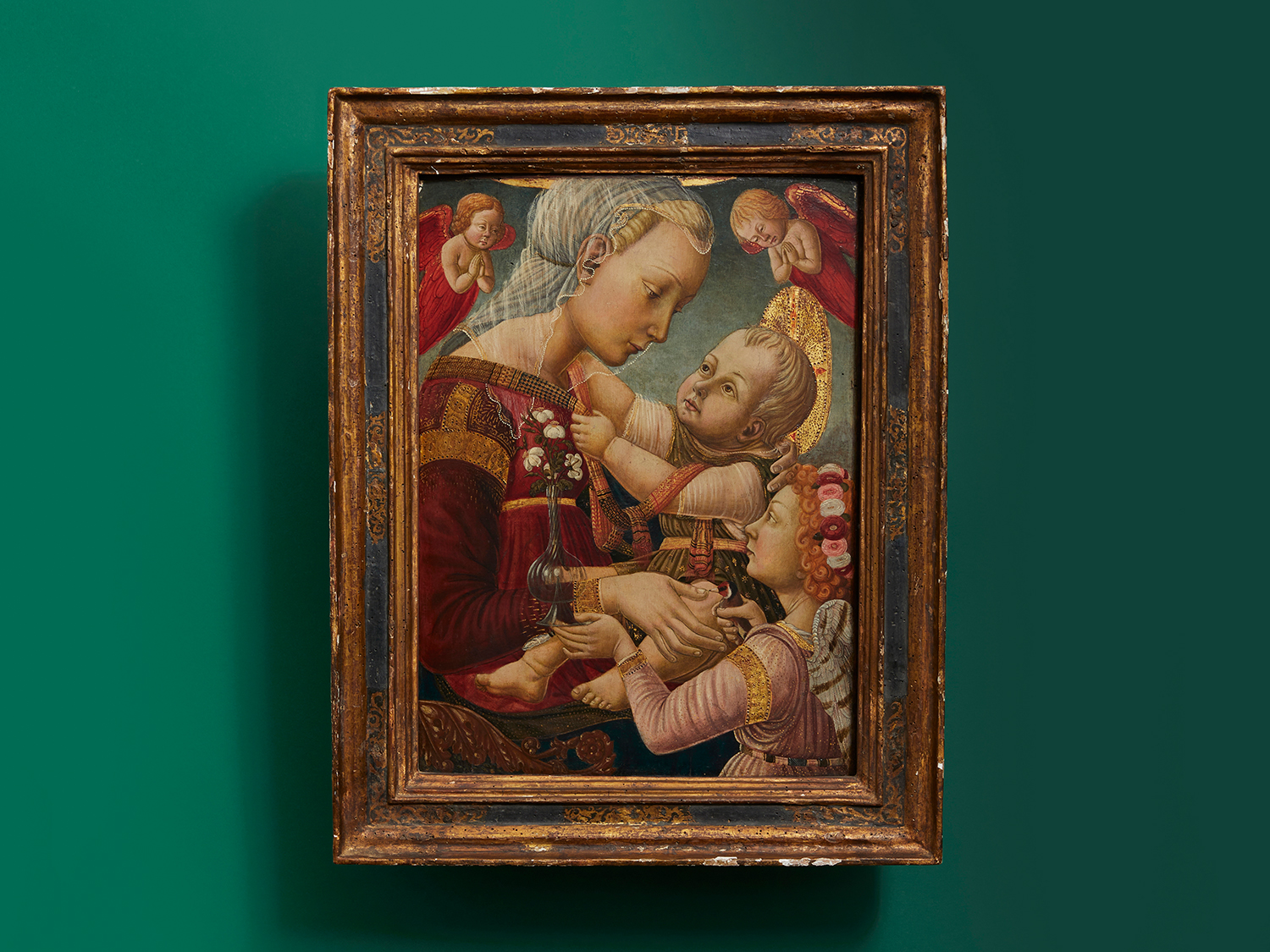
The most recognisable archetype of motherhood in Western art is undoubtedly the Madonna and Child. Emerging in early Christian imagery and reaching its height during the Renaissance, the motif presented the Virgin Mary and the infant Christ as the ultimate expression of maternal love, purity, and devotion. In The Madonna and Child with an Attending Angel and Seraphim by the Florentine painter Neri di Bicci, Mary’s serene expression, graceful posture, and tender embrace exemplifies the idealised vision of the mother that dominated religious art for centuries. In churches across Europe, paintings, mosaics, and stained-glass windows perpetuated themes of nurturing, sacrifice, and protection. The Virgin Mary became the epitome of the “perfect mother”, a divine model rather than a reflection of everyday experience.
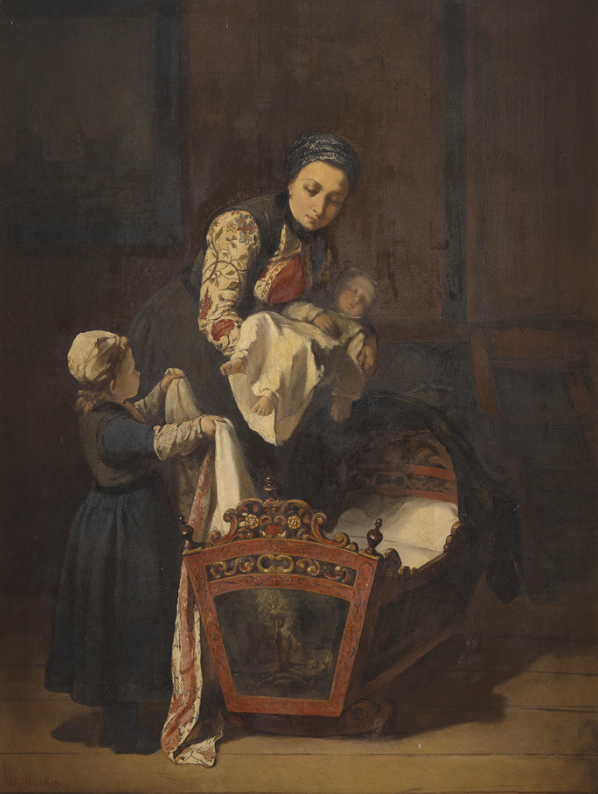
By the nineteenth century, depictions of motherhood had begun to move beyond exclusively religious contexts, though many traditional ideals remained intact. In Kate (Catherine) Bisschop-Swift’s Mother and Child at the Cradle from 1872, the artist depicts an intimate domestic scene with a mother gently laying her baby in the cradle while her elder daughter helps by holding up the blanket. This tender moment typifies the prevailing Victorian expectations that a female’s role within society was firmly centred on domesticity and as that of the nurturer and caregiver.
The late nineteenth and early twentieth centuries brought a profound shift. As artists moved away from religious commissions and rigid academic conventions, they began to observe daily life with greater immediacy. Motherhood was brought down from the heavens and into the nursery, garden, and seaside. Impressionist painters such as Mary Cassatt pioneered this approach, portraying caregiving as an ordinary yet meaningful part of everyday existence.
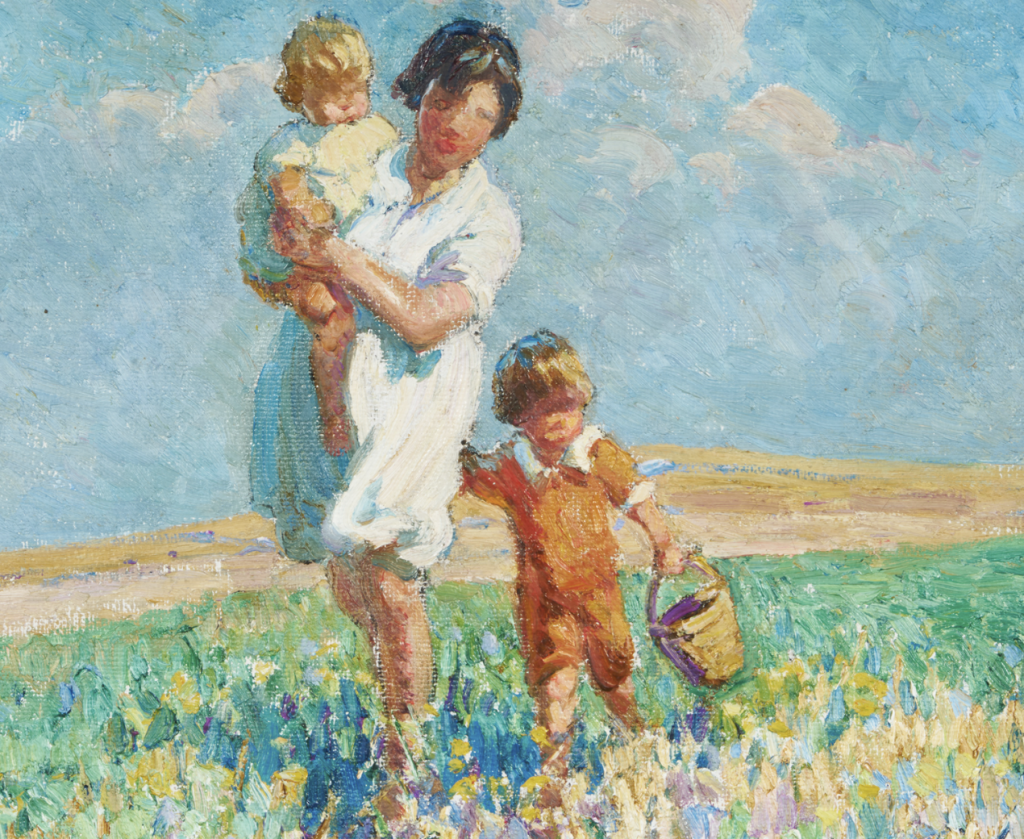
This spirit is evident in Dorothea Sharp’s Mother and Children Walking Through the Summer Grass. Rather than emphasising symbolism or moral virtue, Sharp captures a spontaneous and affectionate interaction. Her bright palette and loose brushwork celebrate the warmth of familial connection, while the playful atmosphere reflects broader modernist interests in childhood, leisure, and lived experience.
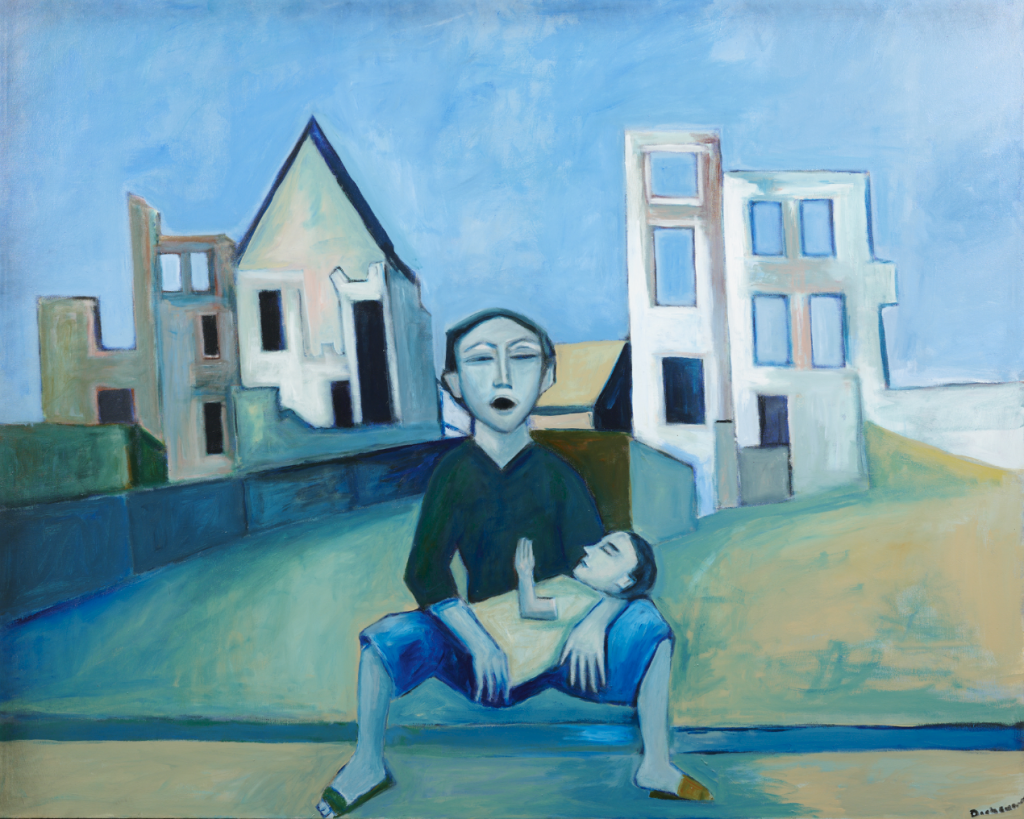
As the twentieth century progressed, artists increasingly challenged traditional narratives. Motherhood came to be understood not simply as nurturing and joyful, but also as complex, demanding, and emotionally layered. In Robert Dickerson’s Waiting Mother and Child from 1991 the mood shifts noticeably. Here, motherhood is no longer presented as an uncomplicated ideal but instead depicts the harsh realities of life. The mother, seated with her child limp across her lap, speaks of despair and anguish, capturing a moment of raw grief or helplessness. The painting becomes a space through which broader themes of vulnerability, uncertainty, and social experience can be explored. Such works reflect a growing willingness among artists to acknowledge the realities and struggles of family life.
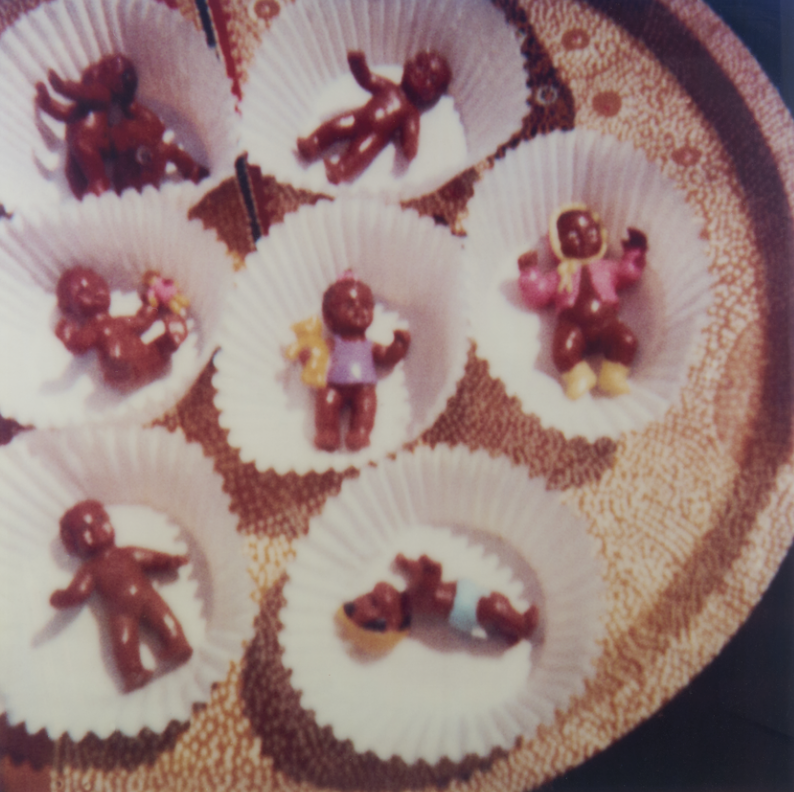
Contemporary artists have pushed these boundaries even further. In Destiny Deacon’s powerful photographic work Adoption, motherhood becomes a lens through which to examine identity, displacement, loss, and intergenerational trauma. Deacon’s practice challenges viewers to confront difficult histories and question assumptions about family, belonging, and care. Rather than presenting motherhood as universally comforting or uplifting, contemporary artists have often tended to recognise it as a multifaceted experience shaped by culture, politics, and personal history.
From the divine perfection of the Renaissance Madonna to the challenging social commentary of contemporary art, depictions of mother and child reveal a remarkable evolution. Yet despite dramatic shifts in style and meaning, the theme remains enduringly relevant. Across all eras, motherhood continues to serve as a powerful artistic metaphor for creation, connection and human resilience.
By Madeleine MacKenzie, Head of Decorative Arts & Art, Sydney
Top Image: Neri Di Bicci (Florence, 1418-1492) The Madonna and Child with an attending Angel and Seraphim. Sold for $237,500
November 2026