Auction catalogues have a language of their own. At first glance, the lines beneath an artwork can look like a collection of dates, dimensions, and abbreviations, but knowing how to read them can reveal much more. For prints in particular, these details can tell us a great deal about the artwork itself, from how it was made to where other examples have appeared. As a specialist, this is where the research begins. So, let’s take a closer look.
What are we actually looking at?
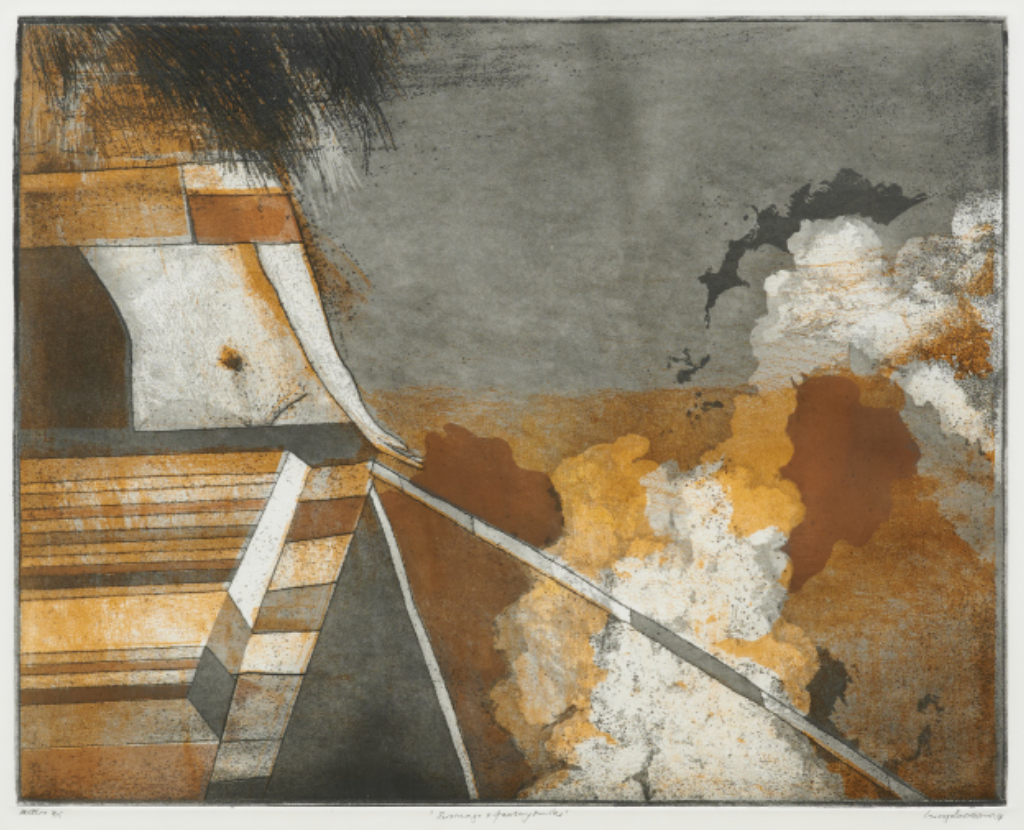
The first few lines of a catalogue entry give us the basics, including the artist, their birth and death dates, the title, and the date. From there, we record the details of the print itself. George Baldessin’s Personage and Factory Works from 1974 provides a good example of how this information appears in a catalogue (see captions).
From this, we know the technique, where this example sits within the edition, and where Baldessin has signed, titled, and dated the work. You may also come across terms such as “signed in plate”, “initialled”, or “inscribed”. Together, these details give us a clear record of what appears on the sheet.
Image, sheet, or frame?
Prints will often have more than one set of measurements. The image is the printed area, while the sheet is the entire piece of paper. If the work is framed, we may also include the frame dimensions. It is a useful distinction, particularly when bidding online. A 20 x 20cm image might sit on a 50 x 50cm sheet, and once framed, take up considerably more space on the wall than the image dimensions alone might suggest.
What does ‘another example’ mean?
Because prints are generally produced in editions, there can be several examples of the same image. One might be held in a public gallery, another may have appeared in an exhibition, while another is sitting in front of us at Leonard Joel.
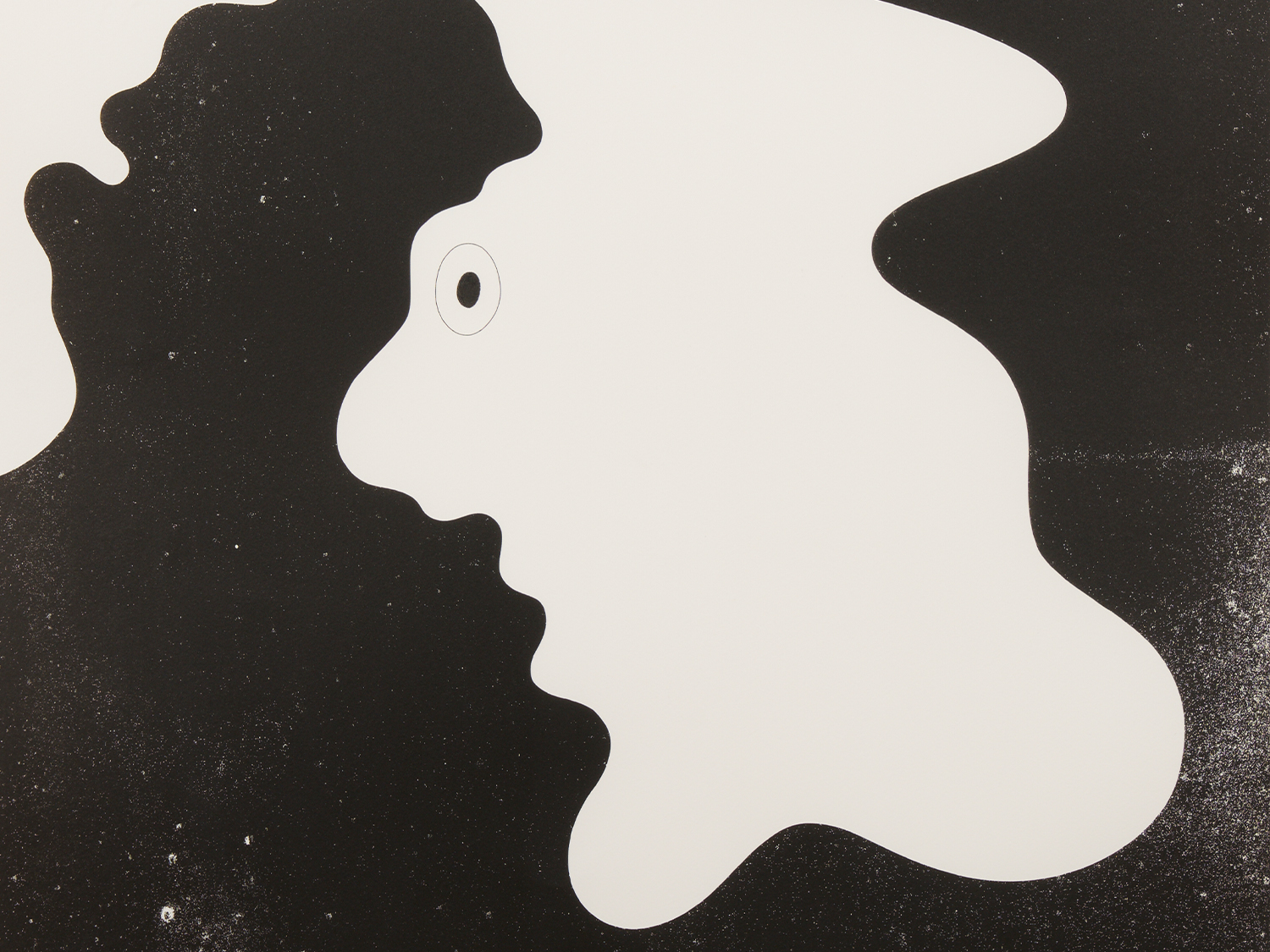
Brent Harris’ Lands End from 2018 is a great example. Other examples of this work have appeared in exhibitions and publications and are held in the several major Australian public collections.
When you see “another example” beside an exhibition or literature reference, it means another example of the same print was exhibited or published, rather than the particular print being offered at auction.
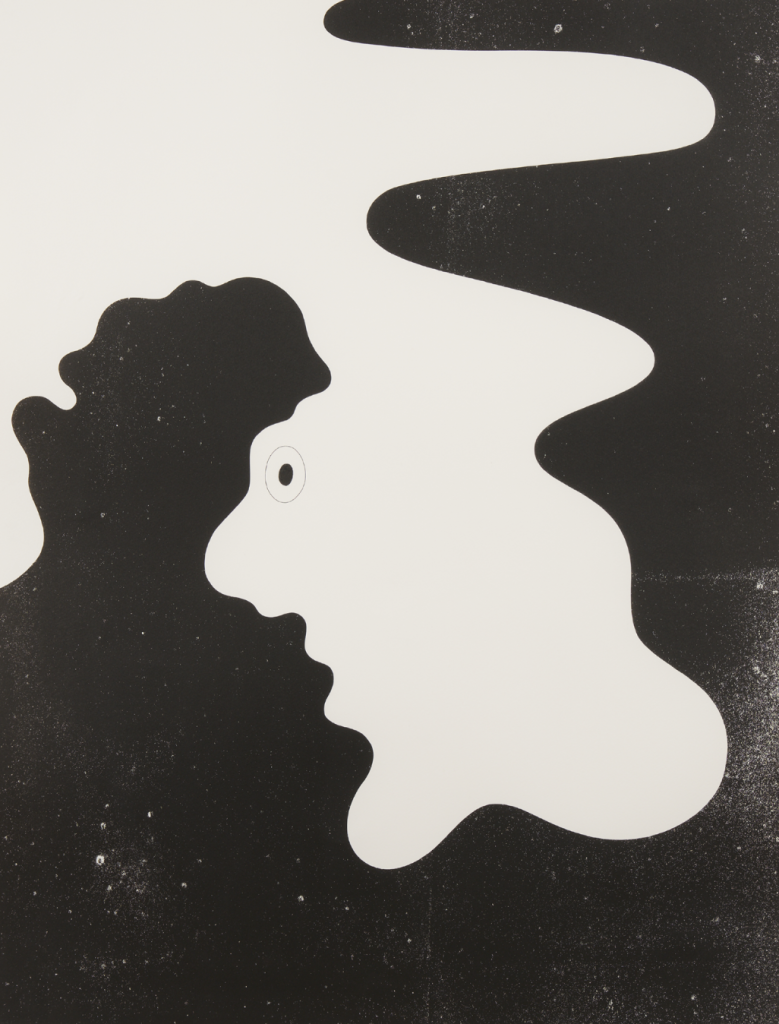
PROVENANCE: Tolarno Galleries, Melbourne, Private collection, Melbourne 2020
EXHIBITIONS: Brent Harris: Surrender & Catch, Art Gallery of South Australia, Adelaide, 6 July – 20 October 2024 (another example)
LITERATURE: Zagala, M., Brent Harris: Surrender & Catch, Art Gallery of South Australia, Adelaide, 2023, p. 192 (illus., another example)
OTHER NOTES: Other examples of this print are held in the collections of the Art Gallery of South Australia, Adelaide; and Christchurch Art Gallery, Christchurch.
Sold for $3,000 (IBP)
© Brent Harris, 2026
Exhibition history, literature, and ‘illus.’
An exhibition reference records where the print, or another example from the edition, has been shown. Literature can lead us to books, catalogue raisonnés, and exhibition catalogues in which the image has been referenced or reproduced. “Illus.” is auction shorthand for “illustrated” and simply means the work appears in that publication. Not every print will have a long list of exhibitions and literature, especially for contemporary editions, and that is completely normal. Where these references do exist, they can help place an image within the artist’s wider body of work.
Following these references is one of my favourite parts of cataloguing. There can be a real sense of discovery when a reference in an old exhibition catalogue leads to another publication, another example, and occasionally, information that has not previously been recorded at auction.
And finally, the estimate
There is no magic formula behind an auction estimate. When looking at a print, we consider the artist, image, edition, condition, rarity, and previous results for comparable examples, together with what we are currently seeing in the market. Two prints by the same artist can sit at very different values. One image may be more sought after, an edition may be smaller, or a particular print may simply appear at auction less often. The estimate is a guide to where we believe the print may sit at auction. Where the bidding takes it from there is all part of the fun.
So, next time you are flicking through an auction catalogue, take a moment to look beyond the image. You might be surprised by the stories waiting to be discovered in those few lines beneath it.
By Hannah Ryan, Senior Art Specialist, Manager of Specialty Auctions
Top Image (detail): Brent Harris (born 1956) Lands End 2018, lithograph, ed. 17/25, 75 x 57cm (sheet). Sold for $3,000 (IBP). © Brent Harris, 2026
November 2026