Centum has become a highlight of our calendar, a moment each year where we are able to bring together the breadth, energy and urgency of contemporary practice. It is a sale we approach with enthusiasm, not only because of the calibre of artists represented, but because of what contemporary art allows us to do, to reflect, to question, and to connect.
At a time when the world feels increasingly unsettled, contemporary art offers a space in which complexity can be held and shared. Across this year’s selection, artists engage with questions of identity, belonging and perception, giving form to both personal and collective experiences. These works speak to insecurities and tensions, but equally to resilience, revealing the underlying threads that connect us.
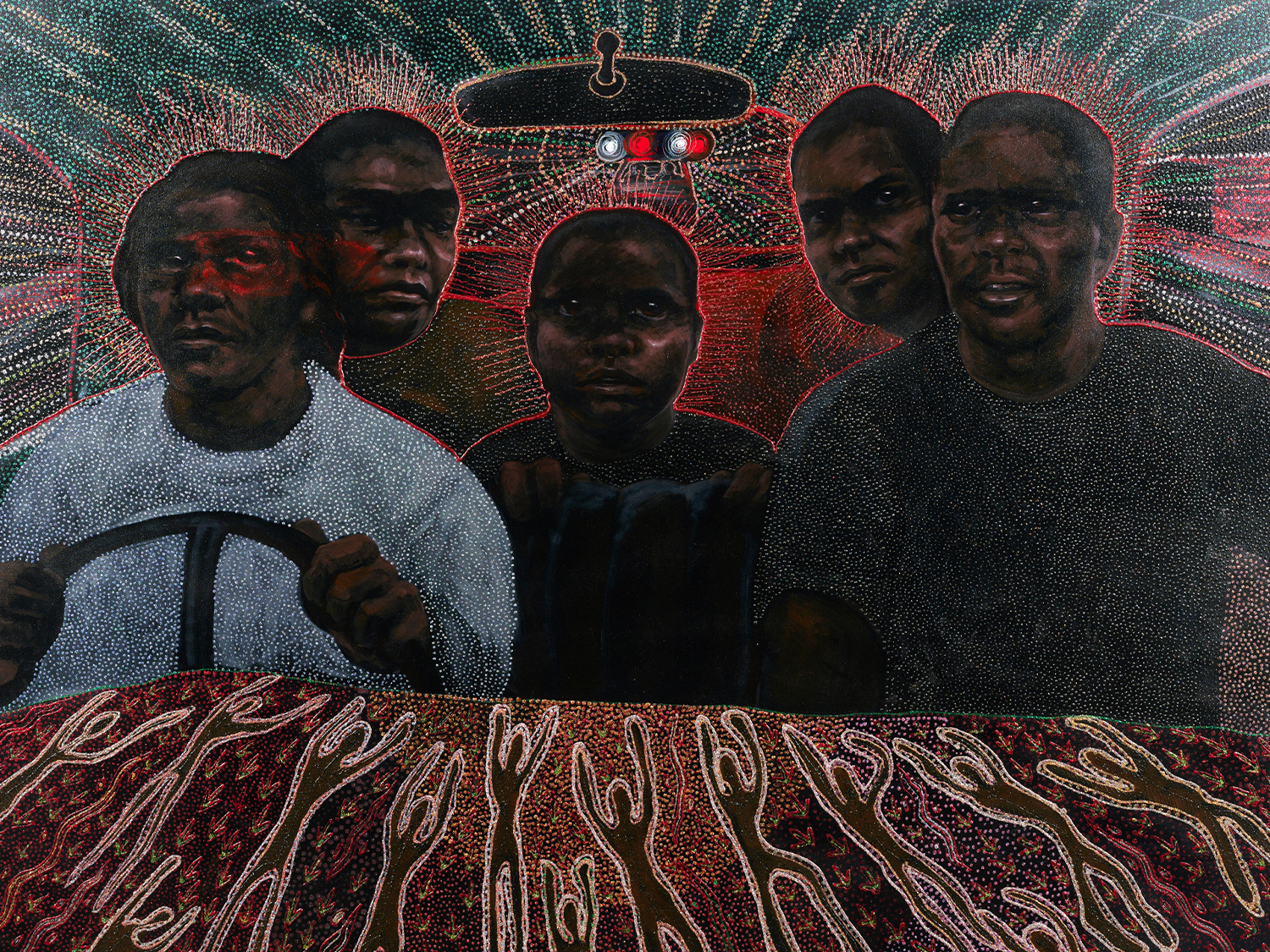
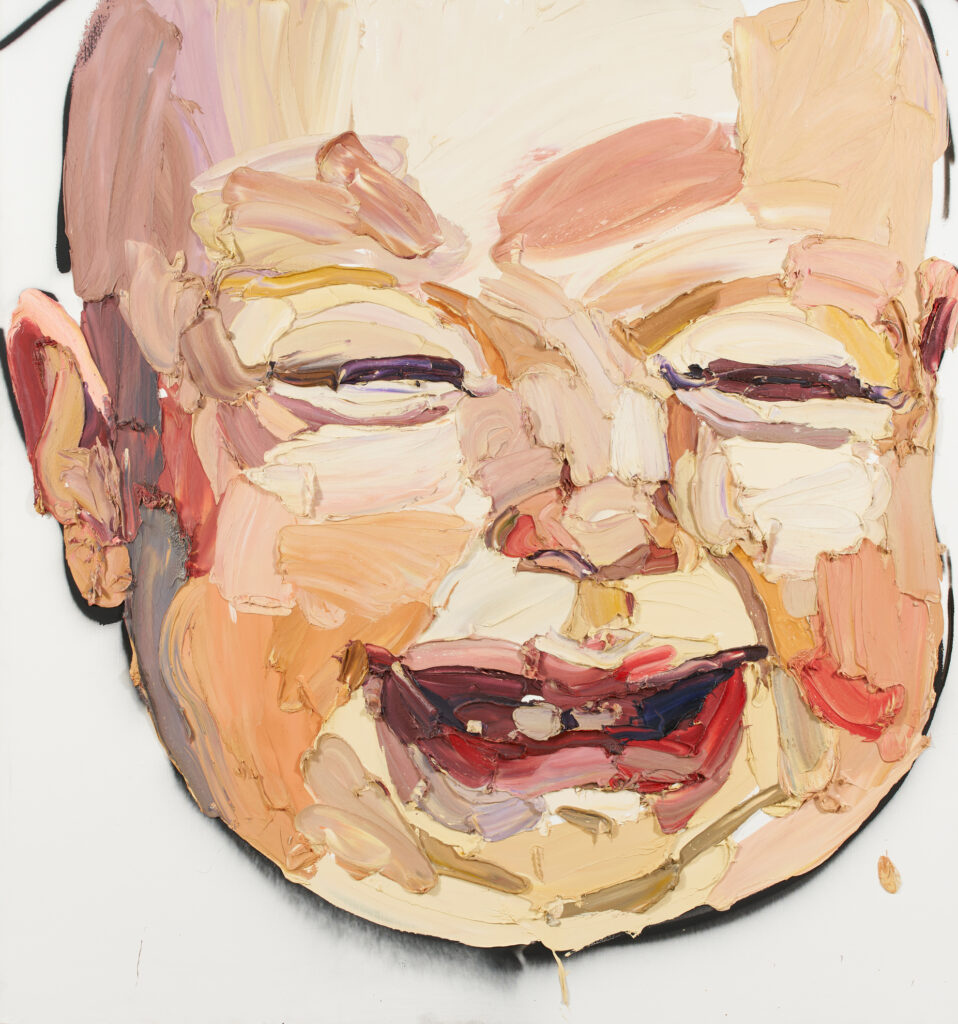
Many of the practices included here operate through a reconfiguration of visual languages, drawing on history, culture and lived experience to create something at once immediate and layered. As seen in works such as our cover lot Camo OA 2024 by Reko Rennie (Lot 14), where visual strategies of pattern and disruption articulate the conditions of First Nations identities in contemporary society, abstraction becomes a powerful vehicle for cultural expression. Similarly, Julie Dowling’s Monarch (Police) 2001 (Lot 21) foregrounds portraiture as a means of asserting presence and agency, transforming the genre into a site of both testimony and empowerment.
Across the sale, there is a shared attentiveness to how histories are constructed, how identities are shaped, and how meaning is continually negotiated. Whether through the conceptual investigations of artists represented in the collection of Richard Frolich (Lot 15 onwards), where works are united by an engagement with perception, memory and the shifting frameworks through which identity is understood. Formed over decades, the collection reflects a considered approach to living with art, one grounded in curiosity, research and long-standing relationships with artists and institutions. The works within it do not adhere to a singular aesthetic but instead form a dialogue.
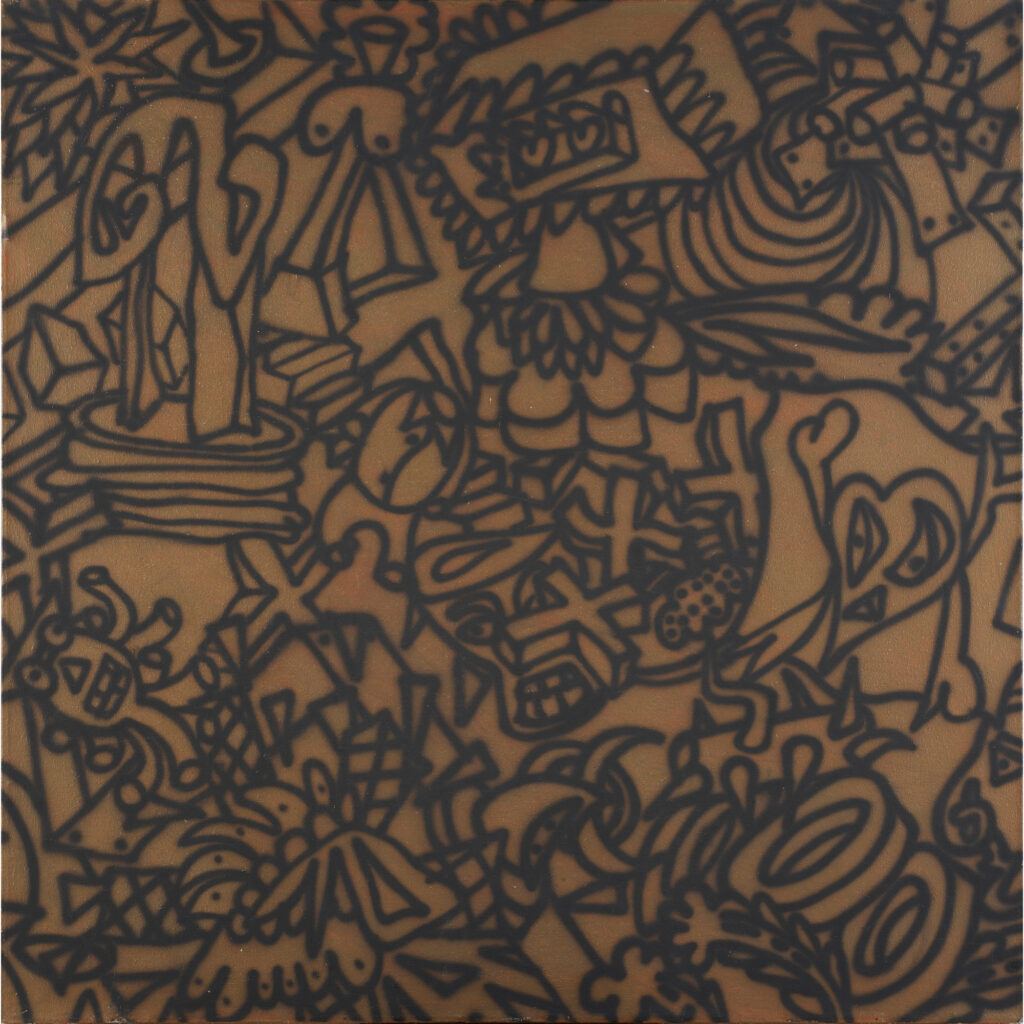
Or the enduring influence of figures such as Howard Arkley, whose work reimagined the visual language of everyday life. Emerging from the urban environments of Melbourne, Arkley drew on sources as diverse as suburban architecture, popular culture, graffiti and music, developing a distinctive visual language. Primitive Gold 1984 (Lot 9) collapses the boundary between the familiar and the uncanny, transforming the ordinary into something charged with energy and tension. In doing so, Arkley not only captured the rhythms of contemporary life but expanded the possibilities of how it could be represented. These works invite us to look again, and to look more closely.
What emerges in Centum is not a singular narrative, but a constellation of voices. Together, they reflect the diversity of contemporary practice while revealing shared concerns that resonate across cultures and contexts. In this way, contemporary art does more than respond to the world around us, it creates a space in which ideas can meet, where differences can be held in dialogue, and where a sense of common ground can begin to emerge.
It is this capacity, to challenge, to unite and to illuminate, that continues to make contemporary art so vital, and why Centum remains such an important and celebrated moment within our calendar.
Wiebke Brix, Head of Art
Top Image Detail: Julie Dowling (born 1969) Monarch (Police) 2001, acrylic, red ochre and plastic beads on canvas,100 x 120cm. $15,000 – $25,000. © Julie Dowling/Copyright Agency, 2026
May 2026