What do a pearl necklace, an Indian maharaja, and a pioneering aviator have in common? At first glance, very little. Yet each played an unlikely role in transforming Cartier from a modest Parisian jeweller into one of the world’s most celebrated luxury maisons.
With all the excitement surrounding the spectacular Cartier exhibition currently captivating visitors at the National Gallery of Victoria, it seemed the perfect time to look beyond the glittering jewels and discover the fascinating stories behind the family that built the brand. While Cartier’s creations have adorned royalty, Hollywood icons, and some of history’s most influential figures, it was three remarkable brothers – Louis, Pierre, and Jacques Cartier, whose vision, ambition, and ingenuity shaped the Maison’s extraordinary legacy.
As part of the NGV exhibition, Francesca Cartier Brickell, author of the best-selling book, “The Cartiers” lent a moving war-time letter from 1915 where Pierre Cartier speaks of the bond between the three brothers in Paris, London, and New York. He writes:
“My two brothers are everything to me. Together, we dreamed of the greatness
of our family business, and together we developed and spread its renown to all four corners of the globe.”
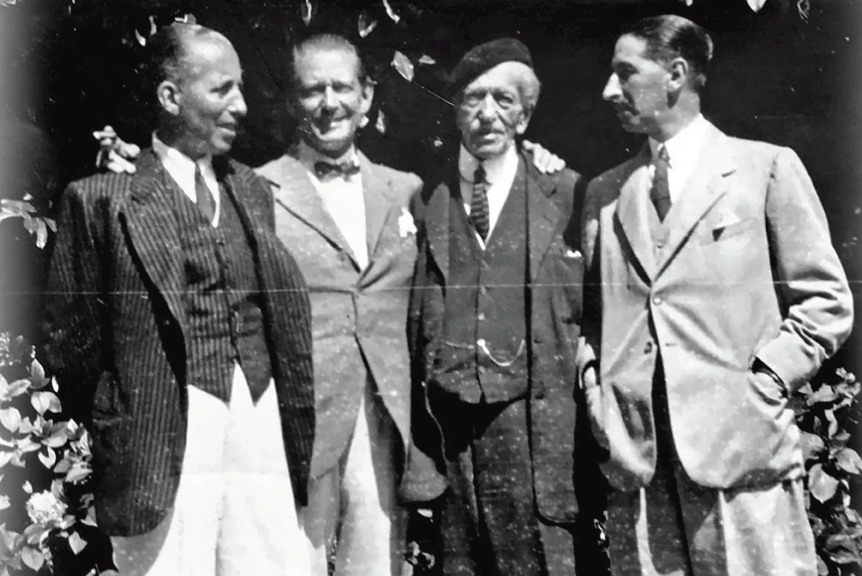
their father, Alfred
(second from right), 1922 / Cartier Family Archives, Francesca Cartier Brickell,
www.the-cartiers.com
Pierre Cartier and the Necklace that Bought Fifth Avenue
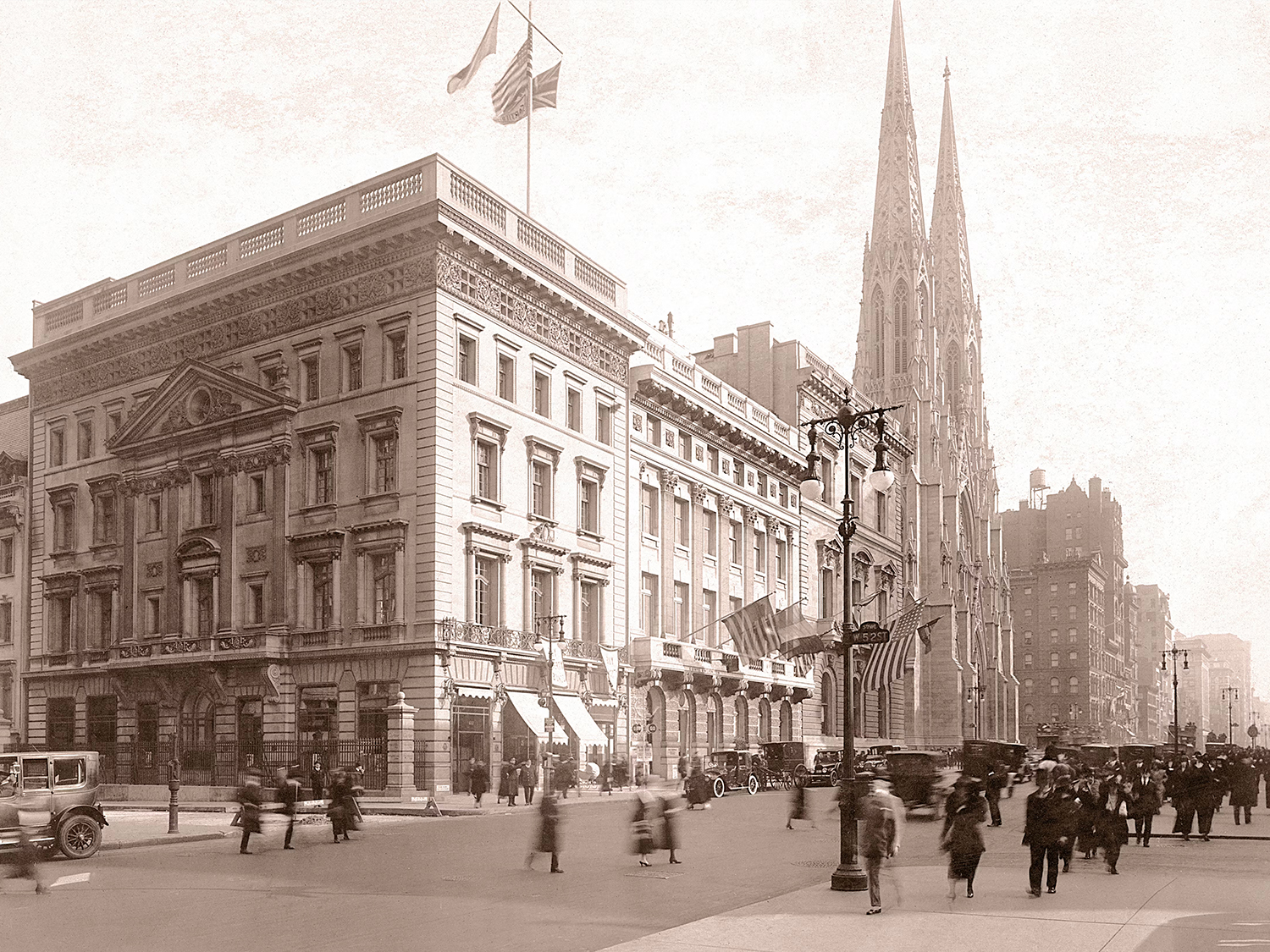
Imagine swapping a pearl necklace for one of New York City’s most valuable buildings. It sounds too extraordinary to be true, yet in 1917 Pierre Cartier did exactly that.
Determined to establish Cartier’s American headquarters on Fifth Avenue, Pierre had set his sights on the elegant mansion owned by railroad magnate Morton F. Plant. The only obstacle was its staggering price. Fortunately, Plant’s wife, Maisie, had fallen in love with an exceptional double-strand necklace of perfectly matched natural pearls displayed by Cartier.
Before cultured pearls transformed the jewellery industry, natural pearls were among the rarest treasures on Earth, and this necklace was valued at approximately one million dollars, almost exactly the same as the mansion itself. Seeing an opportunity, Pierre proposed an extraordinary exchange: the necklace, together with a modest cash payment, for the Fifth Avenue property.
The deal was accepted, and more than a century later, Cartier still occupies the iconic building. Widely regarded as one of the greatest business deals in luxury history, Pierre’s bold negotiation cemented Cartier’s presence in America and proved that vision can be just as valuable as the jewels themselves.
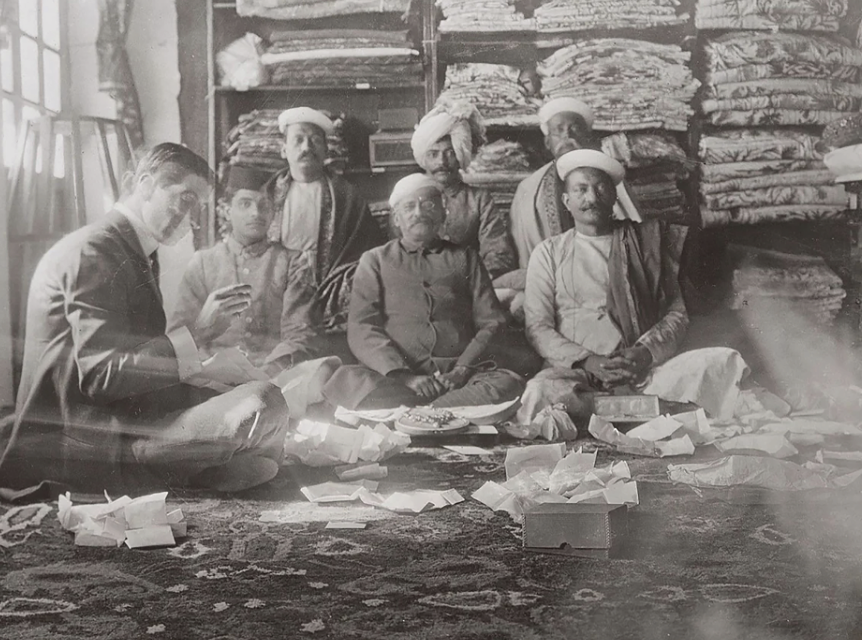
Jacques Cartier and the Treasure Hunt of a Lifetime
While Pierre was negotiating landmark deals in New York, his younger brother Jacques was embarking on adventures few jewellers would ever experience. In the early twentieth century, he travelled extensively through India, Persia, and the Gulf, forging relationships with maharajas, princes, and influential gem merchants.
Rather than purchasing stones through intermediaries, Jacques believed Cartier should source the world’s finest gemstones directly from their origins. His travels took him inside magnificent palaces where royal collections overflowed with Colombian emeralds, Burmese rubies, Kashmir sapphires, and intricately carved gemstones unlike anything seen in Europe. Many rulers entrusted Cartier with transforming centuries-old heirlooms into dazzling new creations.
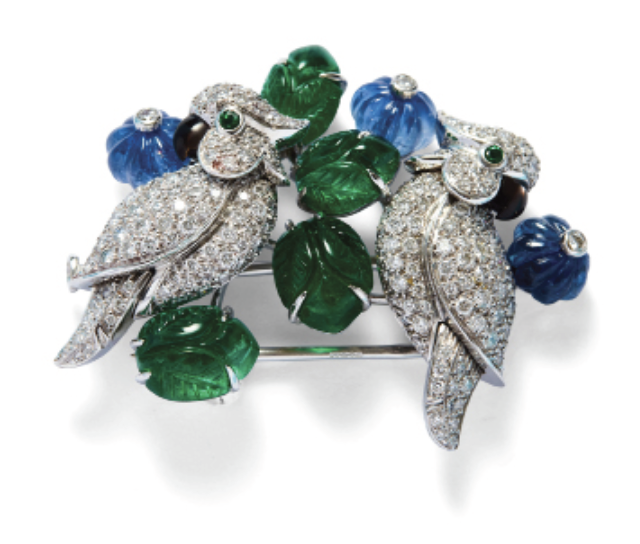
Jacques returned with far more than extraordinary gems. He brought home inspiration. The vibrant colour combinations, carved stones, and Eastern influences he encountered inspired Cartier’s iconic Tutti Frutti jewels, one of the Maison’s most distinctive and enduring design styles. His travels forever changed the artistic direction of Cartier and helped introduce a bold new aesthetic to Western jewellery.
Louis Cartier and the Watch that Changed Time
If Pierre was the businessman and Jacques the explorer, Louis was the visionary designer.
His most famous innovation began with a simple complaint from his friend, Brazilian aviation pioneer Alberto Santos-Dumont. Frustrated by having to remove a pocket watch while flying, Santos-Dumont remarked that there had to be a more practical way to tell the time in the air.
Louis accepted the challenge. In 1904, he designed a slim, elegant wristwatch that allowed the aviator to check the time without taking his hands from the controls. Although wristwatches already existed, they were far from common for men. Louis transformed the idea into something practical, stylish, and unmistakably modern.
The Santos became one of Cartier’s most iconic creations and helped popularise the men’s wristwatch around the world. More than 120 years later, it remains one of the Maison’s signature collections, a lasting reminder that great design often begins by solving an everyday problem.
Together, Louis, Pierre and Jacques Cartier transformed a family jeweller into a global luxury empire through vision, courage, and curiosity. Their legacy endures not only in iconic creations, but in the stories behind them, proof that Cartier’s true brilliance lies as much in its history as in
its jewels.
By Lauren Boustridge, Head of Fine Jewels, Sydney
Top Image: The Cartier Fifth Avenue boutique, 1918
August 2026