Inside a Global Wave of Museum Transformations
In recent years, some of the world’s most respected cultural institutions have embarked on ambitious renovations. These grand projects signal not only a commitment to preservation, but an acknowledgment that historic museums must adapt to remain relevant in a rapidly changing cultural landscape.
For instance, The Frick Collection in New York has completed its first comprehensive overhaul since opening in 1935, a top to bottom restoration that prepares the 112-year-old mansion for a new century of visitors. Across the Atlantic, London’s National Gallery is revitalising its iconic Sainsbury Wing, rethinking its visitor experience as part of a broader institutional transformation. In Paris, the Centre Pompidou has just closed for a major five-year renovation expected to reopen in 2030.
Together, these projects reveal a powerful global trend, institutions once defined by their permanence are increasingly future focused, investing deeply in accessibility, scholarship, and relevance. Their rejuvenations demonstrate that even the most historic museums must continually reinvent themselves if they are to remain vital, resonant spaces for the audiences of today and tomorrow. However, beyond the goal of increasing attendance there are many other layered motivations behind these changes and below we delve a little into the reasons these institutions have invested so much time (and money!) into refurbishing their spaces.
1. The Frick Collection, New York
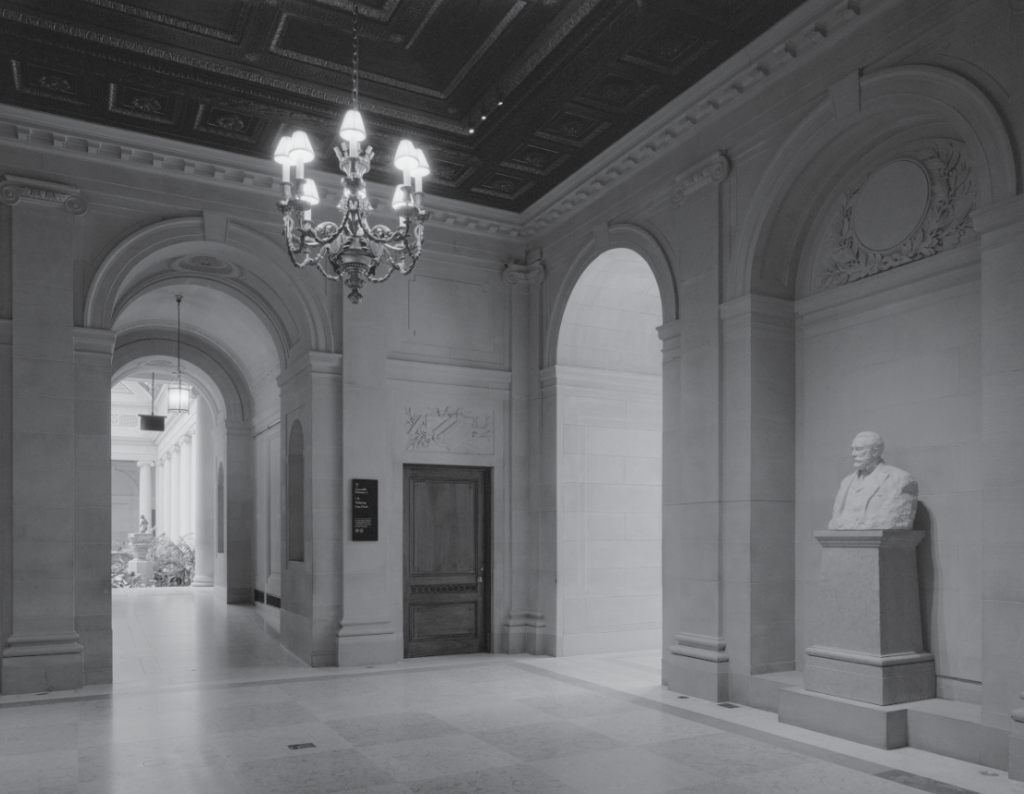
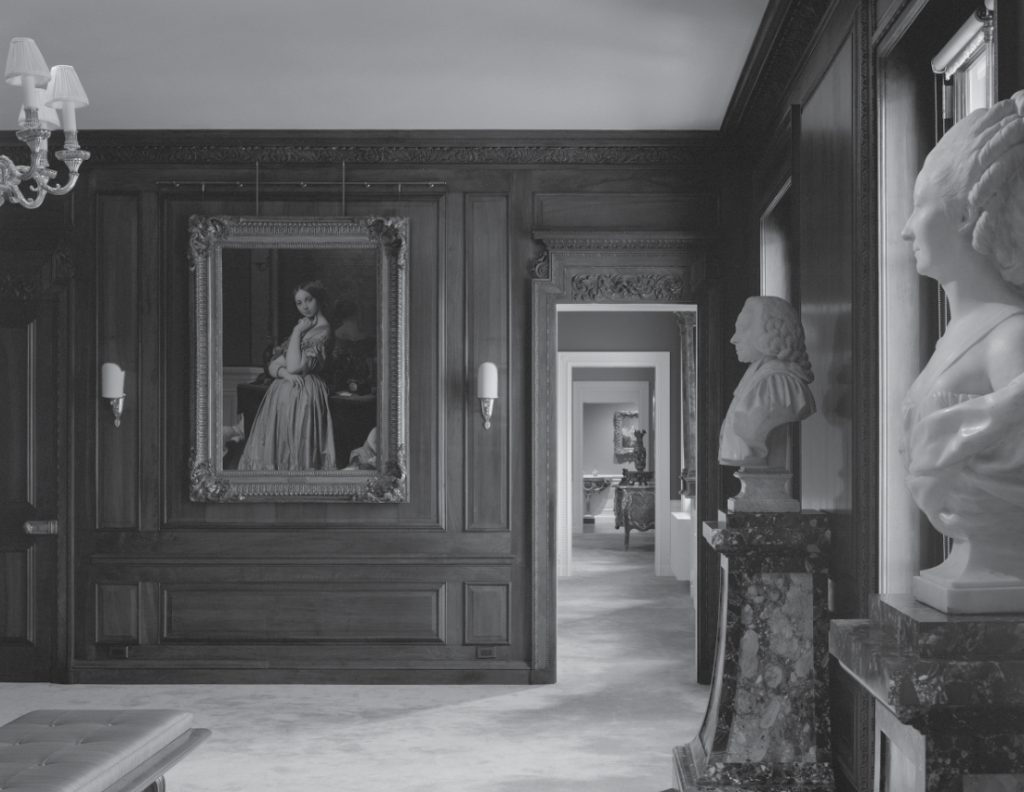
Re-opening on 17 April 2025, The Frick’s overhaul was driven by long standing infrastructural and functional needs due to the constraints of the original 1914 Carrère and Hastings mansion. Foremost in their requirements were improving accessibility, adding gallery space, modernising systems, and opening previously private areas. The project, undertaken by Selldorf Architects, took five years and cost $220 million to complete. However steep the cost though it appears to have paid off, the new construction has added 27,000 square feet, 30% more gallery space, the first ever onsite café and a new double-height reception hall. For the first time in its history, the Frick has also allowed visitors to the second floor (accessibility made possible by new elevators) where a series of 10 rooms are stocked with masterpieces. The public response upon completion was overwhelmingly positive with Artnet stating that they had seemingly managed to “nail every detail of the overhaul”.1
2. National Gallery, London (Sainsbury Wing)
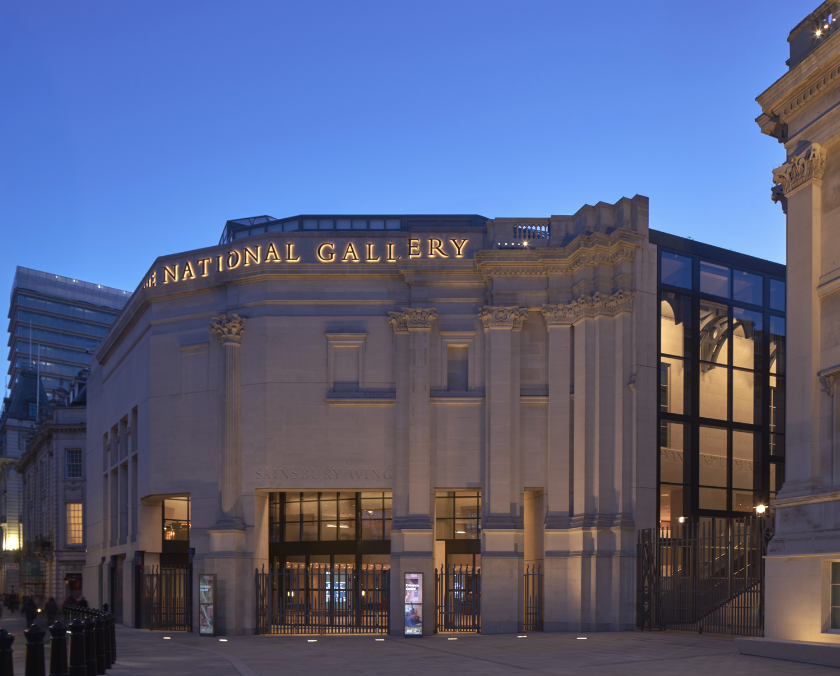
Not long after the Frick unveiled their new look, the refurbishment of the Sainsbury Wing at the National Gallery in London reopened on 10 May 2025. The two-year renovation was also designed by the same architects used for the Frick renovation, Selldorf Architects. This renovation focused on visitor flow, accessibility, and a rethought entry sequence, modernising a 1991 building to better support 21st century expectations. While better orientation and facilities often lead to stronger attendance, the project’s main focus was to create a more thoughtful, welcoming visitor experience rather than simply growing numbers. Key features of the renovation were a larger and more welcoming foyer and entrance, replacing dark-tinted glass on the windows with clear, to afford a better view of Trafalgar Square, upgraded amenities, and double-height voids. The remodel, which was heavily criticised when it was first announced in 2022, cost £85 million and has been less well received than the Frick’s. Whilst generally praised for improved circulation, the project faced criticism for being a “bland” redesign that removed key architectural features. However, if we’re considering the renovation from the lens of the institution’s original goal of improved visitor flow and accessibility then it does appear to have been a success.
3. Centre Pompidou, Paris
Beginning its major transformation in late 2025, the Centre Pompidou’s overhaul was prompted by long deferred infrastructural and safety concerns stemming from the ageing structure of the iconic 1977 Renzo Piano and Richard Rogers building. Central to the project are the removal of asbestos, full modernisation of mechanical systems, upgraded fire safety measures, improved accessibility, and extensive repairs to the building’s corroded structural elements. The renovation, led by the architectural team Moreau Kusunoki in collaboration with Frida Escobedo, will unfold over five years and is estimated to cost approximately €460 million, reflecting the scale and urgency of the required works. Although the Centre officially closed to the public on 22 September 2025, preparations began much earlier with the staged shutdown of performance halls, the public library, and the permanent collection galleries, culminating in the complete removal of artworks by the end of that year. While the museum remains closed until its planned reopening in 2030, its cultural presence endures through the expansive Constellation program, which disseminates exhibitions and activities across partner institutions in France and abroad. Public sentiment has been marked by both nostalgia and anticipation, with officials expressing hopes that the revitalised building will recapture the same sense of shock and innovation that defined its opening nearly half a century ago.
1. Kinsella, E, “After Five Years and $220 Million, the Renovated Frick Feels Familiar. That’s the Point,” Artnet News, April 17, 2025, https://news.artnet.com/art-world/frick-reopening-april-2025-2631844.
By Madeleine Mackenzie, Head of Decorative Arts & Art, Sydney
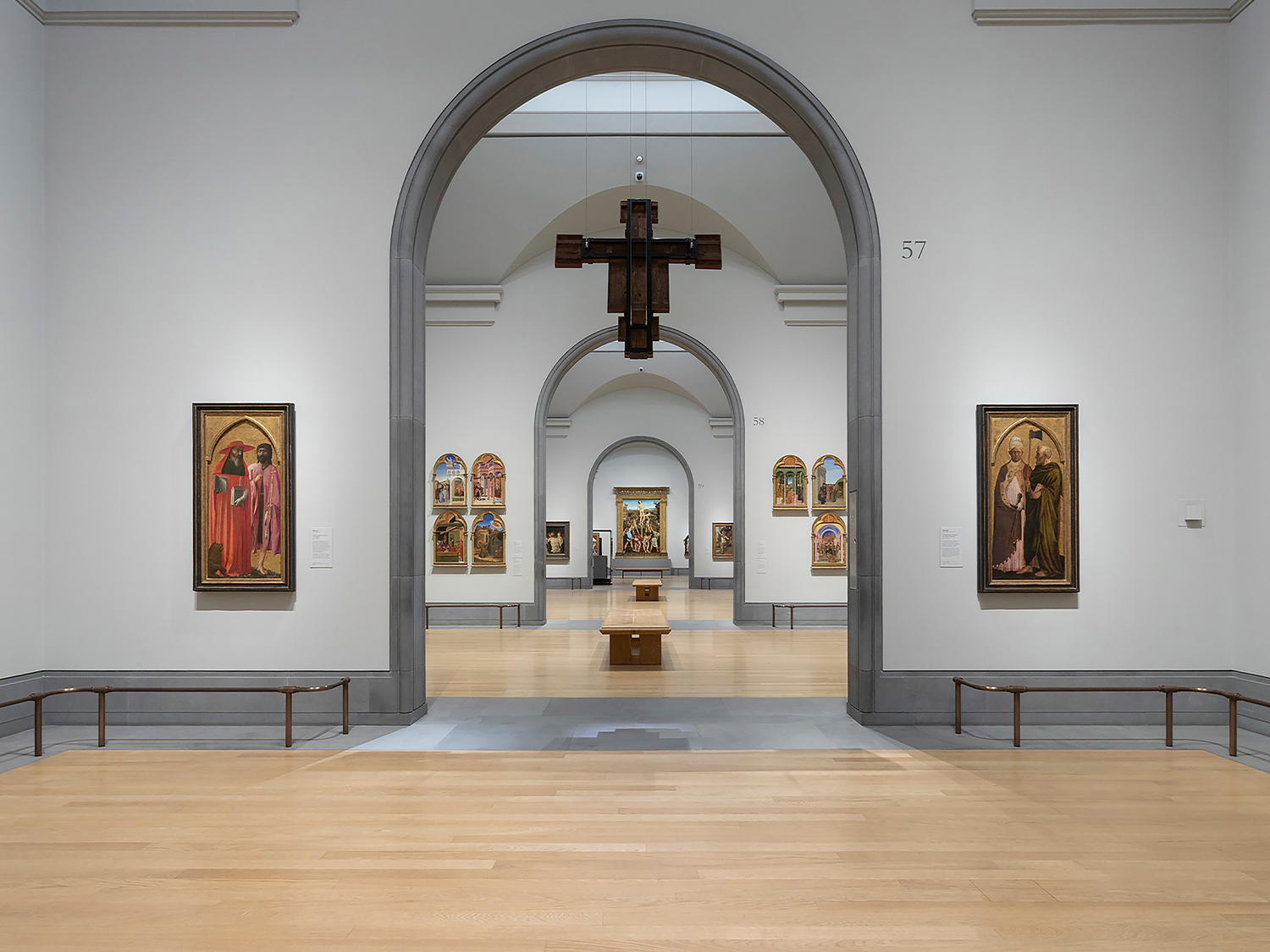
Top Image: Room 57, Sainsbury Wing, National Gallery London. © The National Gallery, London
March 2026