This genre of fine art fascinates me. Not so much the period works, that by their very subject matter exude an atmosphere and feeling that comes with their detachment from how we now present ourselves amongst contemporary surroundings. Some period works do appeal to me; particularly naive representations of jockeys and their horses. They no doubt appeal to Ralph Lauren shop-fitters too! But the post-war ones, particularly those in the more traditional manner, present an intriguing suite of challenges for the seller, that all essentially revolve around what in a portrait remains attractive to the viewer, as time goes on and inevitably tastes change.
Family or corporate portraiture, for example, presents as exceedingly hard to resell. Portraits of seated men in dark suits are of little to no appeal beyond the club wall or the board room, while family portraits, those that seemed to boom as an industry from the 1950s to the 70s, are of little more value than their frames. But there are the exceptions. When the portrait takes on a grand and classical flavour and is expertly executed, this can be the “X” factor that draws bidding. Or when the portrait “doesn’t look like anyone you might know”. This is how I explain it to clients anyway. Period portraits tend to have that quality but in more contemporary examples it might come from the use of tone, light, shade, and the setting within the portrait, making it feel less personal and more story-like. Edward Hopper achieved this masterfully, while closer to home, a portrait by a Meldrum-school artist would be a good reference point.
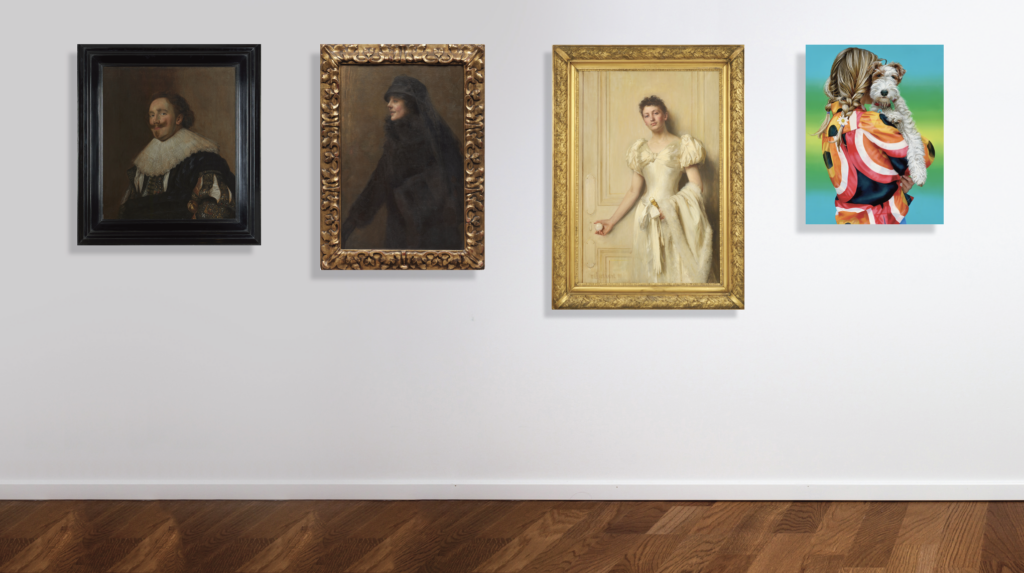
Tom Roberts (1856-1931) Portrait of Lady Coghlan 1919 (also known as Untitled, Portrait of a Lady). Sold for $240,000
William Ewart Lockhart (Scottish, 1846-1900) Portrait of Rebecca. Sold for $16,470
Jan Nelson (born 1955) Walking in Tall Grass: Gracie II 2011. Sold for $18,750
It’s no surprise to me that as I make these observations, I find myself next referring to the level of abstraction that might occur in a portrait. Unquestionably, the more abstract the portrait, the more saleable, the more attractive to the viewer it becomes. A portrait by Howard Arkley would be a good local reference point. And finally, just to confuse things, a hyperrealist portrait; so perfect, so lifelike, so photographic in nature, can also create an unworldliness that, despite its realism and familiarity, attracts the viewer. But unfamiliarity, typically achieved through degrees of abstraction, is what I have observed attracts the viewer and underpins successful resale most often.
Internationally, this finds its ultimate expression in those rare moments when a Picasso “portrait” presents for public auction. In 2026 we find ourselves in a time when commission portraiture has waned. Quite possibly because the taste for the contemporary in art, and abstraction, occupies much of that demand, and it is not an obvious bedfellow of portraiture. But in Northcote in Melbourne, abstraction and portraiture dance together with ease and I speak of Arts Project Australia (APA).
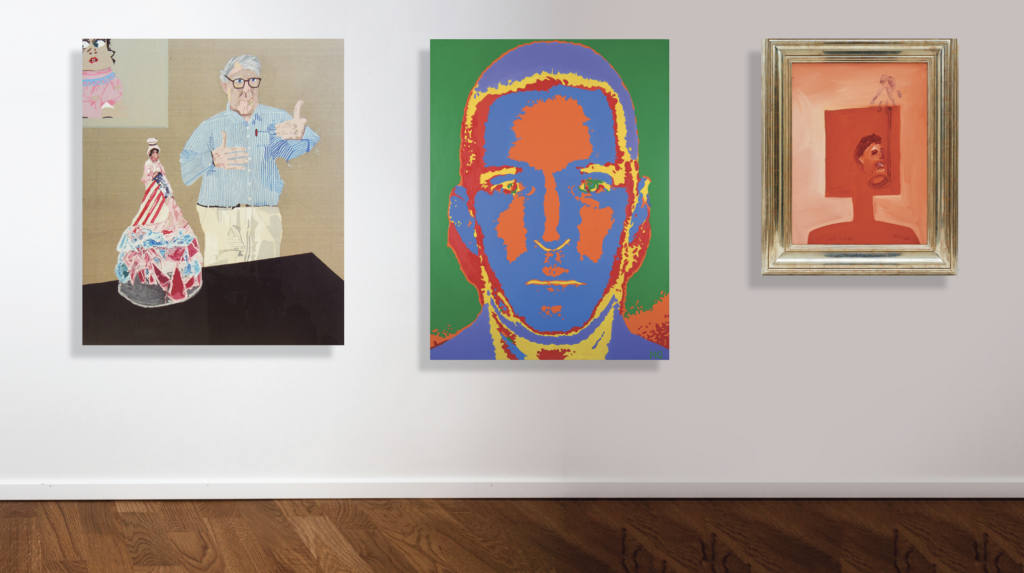
Matthys Gerber (Dutch/Australian, born 1956) Self Portrait 2002. Sold for $8,750
Sidney Nolan (1917-1992) Mask 1980. Sold for $45,000
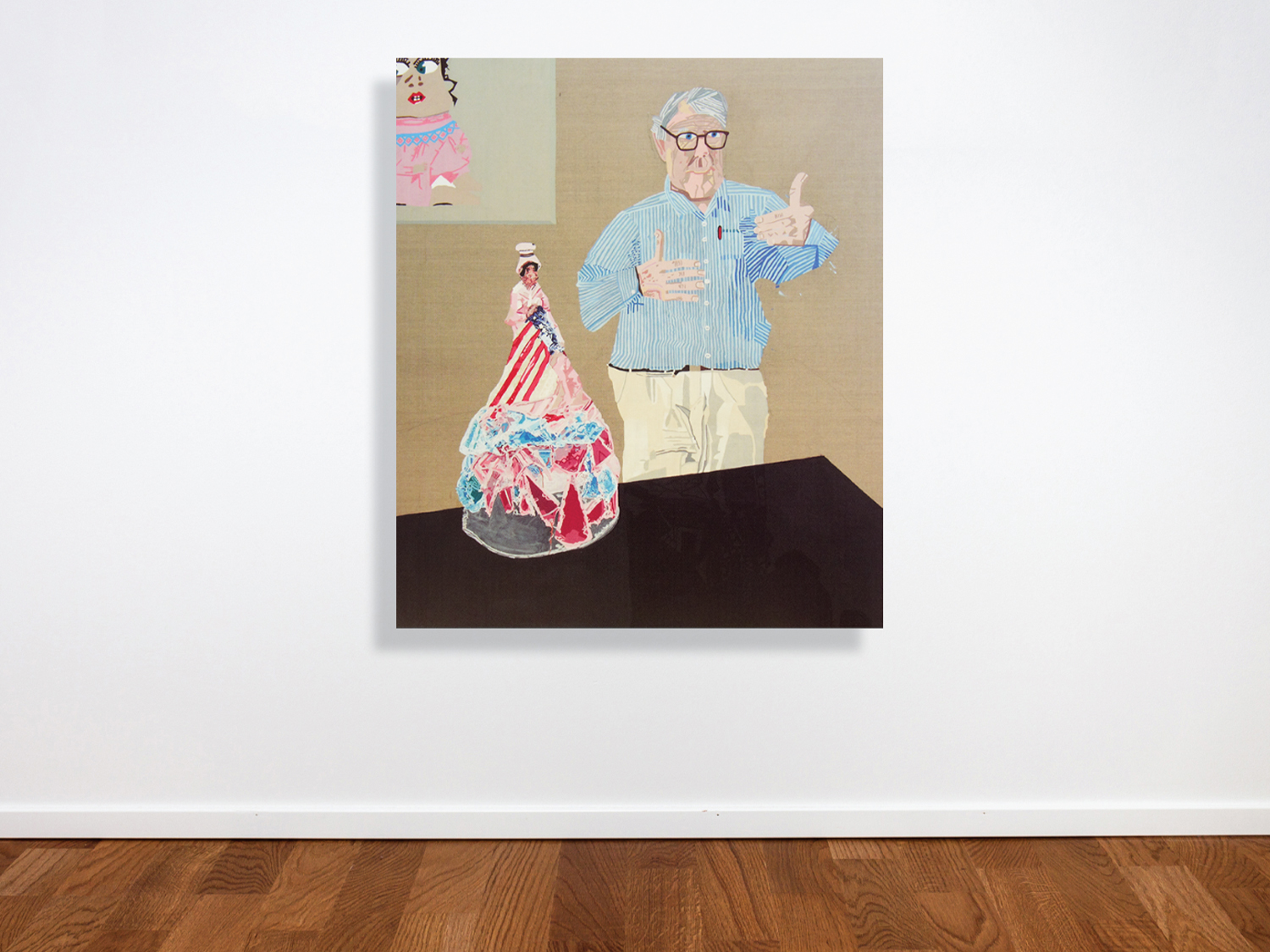
There, not every artist, but a good many, will interpret the sitter with a freedom from reality that is the very essence of the abstract portrait. My first encounter with APA was Lisa Reid’s portrait of Peter Fay that was to appear as an advertisement in a Leonard Joel catalogue many, many years ago. It is as complex as it is striking and remains one of the great portraits to emanate from this important Melbourne institution.
So where am I going with this simple walk-through of portraiture that ends with Arts Project Australia? Well, I’ve decided to commission an artist from APA to render my portrait, and I look forward to marvelling at its bold and uninhibited abstraction. When complete, I will share it with you all and then? Well, then I’ll invite you to consider a few things; to put self-importance aside and to visit Arts Project Australia and commission a portrait, knowing little of what will be the fruits of that artist’s vision of you. And for those that take up my offer, I’d suggest framing it unconventionally, and a few things will be achieved. You will have played a tiny part in reviving an ancient artistic tradition, you will have supported an important Melbourne art studio and finally, I guarantee your work will hold its own amongst your collection and be a conversation-starter for visitors!
By John Albrecht, Managing Director & Head of Important Collections
Top Image: Lisa Reid, Not titled (Portrait of Peter Fay) 2007. Arts Project Australia Permanent Collection
March 2026