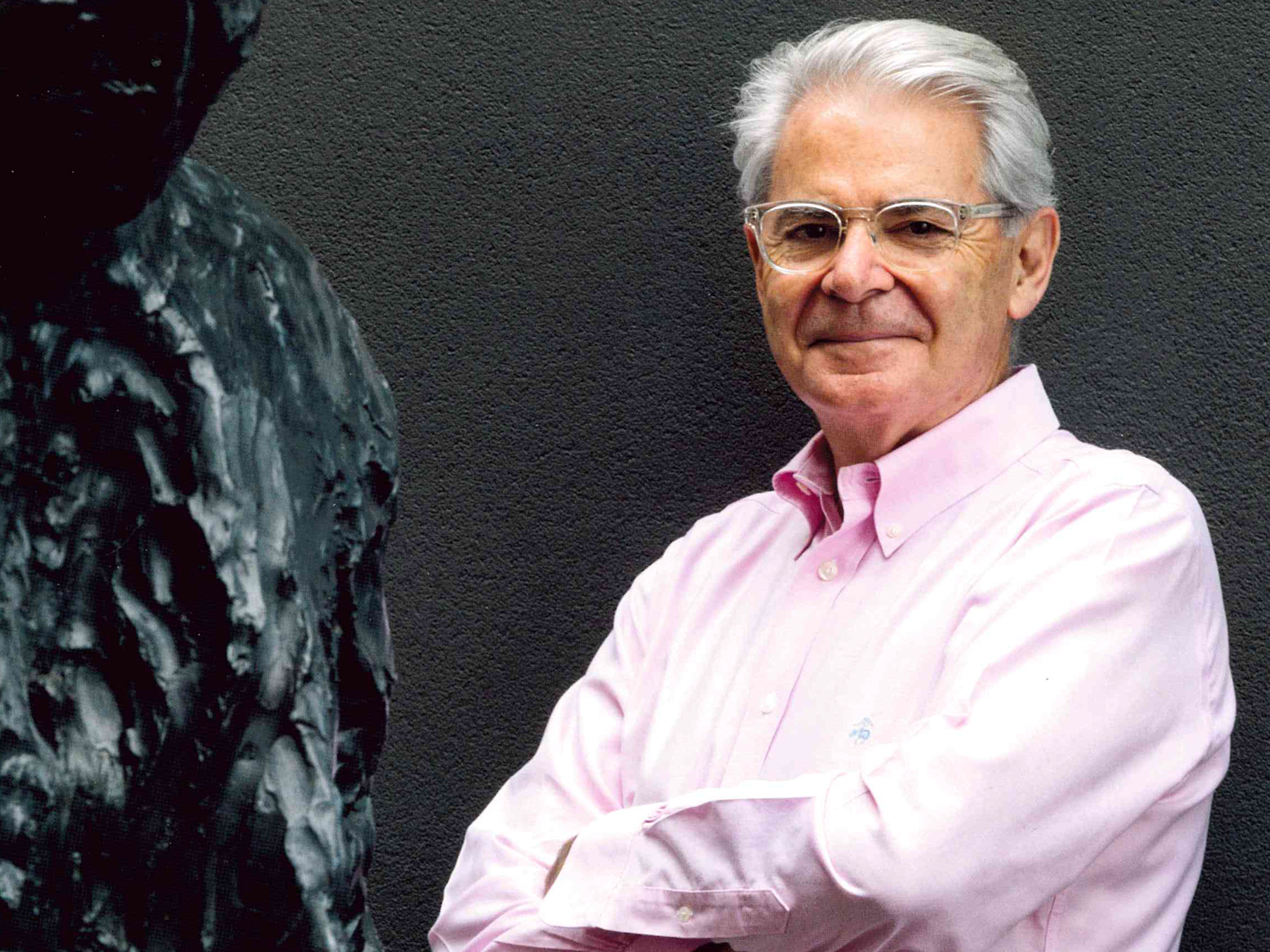
It has been a genuine pleasure meeting Richard through the consignment of several works for our contemporary art auction, Centum, and getting to know him more closely through that process.
I have rarely encountered someone so meticulous, organised, and deeply focused in all that they do. Rick’s approach to collecting is thoughtful and rigorous, and his dedication has seen him become an influential figure within the Australian art world.
Rick has not only been a passionate collector and a strong supporter of artists but has also taken this commitment further through his involvement with a number of important cultural organisations. He has served as a Board Director of the Biennale of Sydney, has been deeply involved with the Art Gallery of South Australia, and has contributed to the Melbourne Art Foundation before joining the Venice Biennale Committee for the Australian Arts Council.
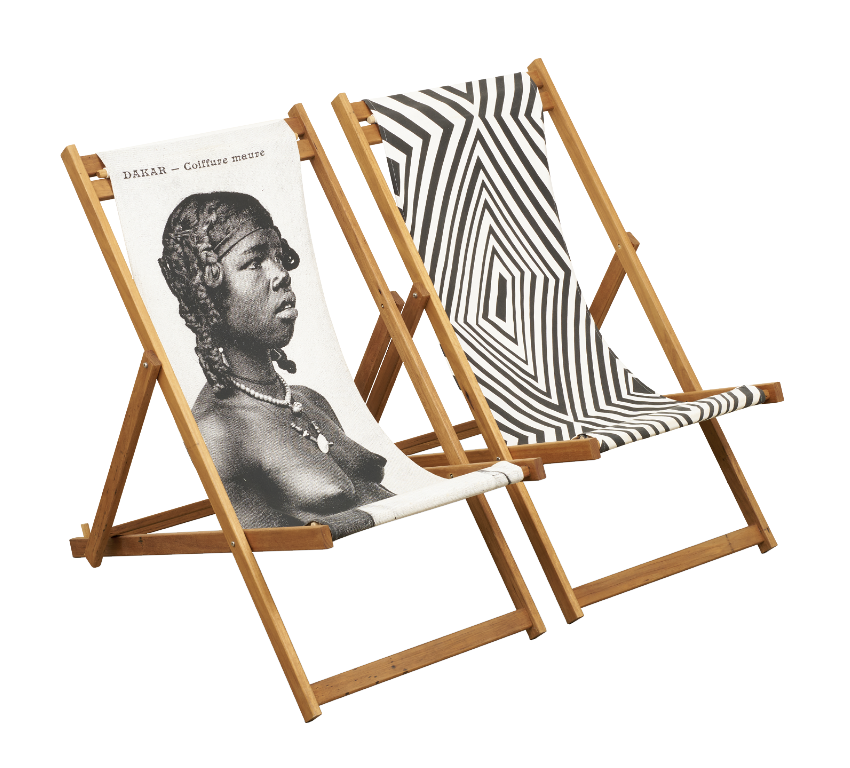
Rick, you have been collecting for close to fifty years, how did your journey as a collector begin?
My journey began in childhood, reading the art books my musician mother collected, and was crystallised in 1971 when I fell in love with a small landscape painting. After buying my first home, I eagerly filled the walls with drawings by Australian artists such as Fred Williams and William Dobell, before a year spent reading, rather than buying, reshaped my eye and discipline as a collector. From the mid-1980s I began collecting artists including Rick Amor, Paul Boston, Euan Macleod, and Mike Parr, later expanding into photography after visiting the International Contemporary Art Fair (ARCO) in Spain, and then into New Zealand and broader Australian contemporary practice. Today, after donating more than 150 works to the Art Gallery of South Australia, I continue to collect selectively, including artists such as Jude Rae, Callum Innes, and Gary Fabian Miller.
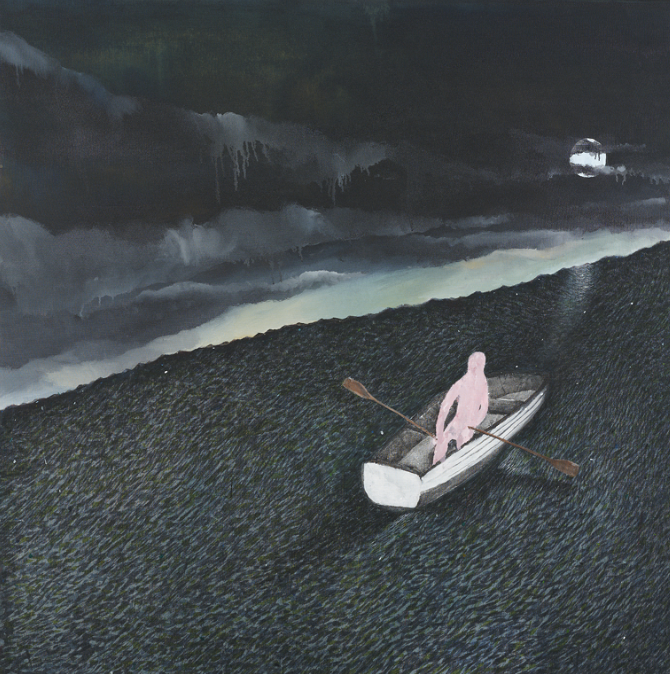
I understand that you have had long-standing relationships with major private galleries, have those shaped the way you collect?
Securing trusting interaction with key gallerists like Jan Minchin, Paul Greenway, Bill Nuttall, and Anna Schwartz were a key practice to my collecting strategy. Those long-standing relationships have been a cornerstone to the journey, evolving into forty-year friendships based on mutual understanding and respect and a genuine love and appreciation for the artist collected. Their guidance has been invaluable in getting closer to artists’ practices and to the artists themselves.
Your involvement has extended well beyond collecting into leadership and philanthropy. Can you tell us about that journey, and what it meant to you personally?
The most dynamic aspect of my art journey has been serving at board level. After hosting Contemporary Collectors Board members from the Art Gallery of New South Wales during the Adelaide Festival in the 1990s, I was inspired to establish a similar group at the Art Gallery of South Australia (AGSA). Contemporary Collectors launched in 2003 with John Kaldor as a founding member, and twenty years on has grown to more than 500 members, contributing over $15 million in artworks and funds to AGSA’s contemporary collection. It remains one of my proudest achievements.
That success led to nine years on the Melbourne Art Fair Foundation board, helping steer Australia’s leading commercial art fair and serving as Treasurer, leaving the foundation in its strongest financial position to date. In 2012 I joined the Sydney Biennale board at the invitation of Luca Belgiorno-Nettis, gaining invaluable insight into the complexities of an international not for profit arts organisation. Around the same time, I joined the Venice Biennale Committee for the Australian Arts Council.
All these activities have enriched my soul and my understanding of how to grow and develop artists careers.
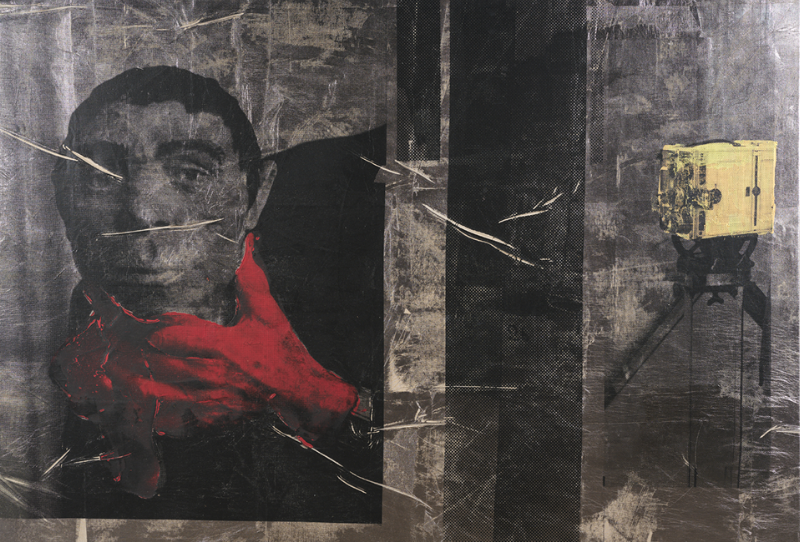
Has your philosophy of collecting evolved over time?
Great question. I must admit that I think I should have adhered more to good advice. I think as collectors we self-perceive to curate things around our identity, some of us like to steer our own boat and create a collection that truly talks to us. For me, the discovery is still the most exciting part. Waiting in a queue for an artist with limited output reaches a climax when your ‘turn’ arrives. My philosophy today is to reduce; prepare the collection for my children to enjoy if they choose to do that. Or for it to be what it is… a material possession of enjoyment for a person’s lifetime, before it passes on to become that for someone else.
Why does art matter?
Artists express life like no other art form. It sharpens perception, preserves aspects of culture, triggers imagination. It challenges assumptions, and I feel it deepens our understanding of this complex world. My interest and curiosity in art aligns with all these assumptions.
What advice would you offer to the next generation of collectors?
Read… read… read. Visit public and private galleries. Travel art fairs, major shows overseas, and start a list of artists that talk to you and why they resonate. Only acquire works that meet the mandate you are creating in your list.
With thanks to Richard for his time.
By Wiebke Brix, Head of Art
Top Image: Richard Frolich / Art Gallery of South Australia
March 2026