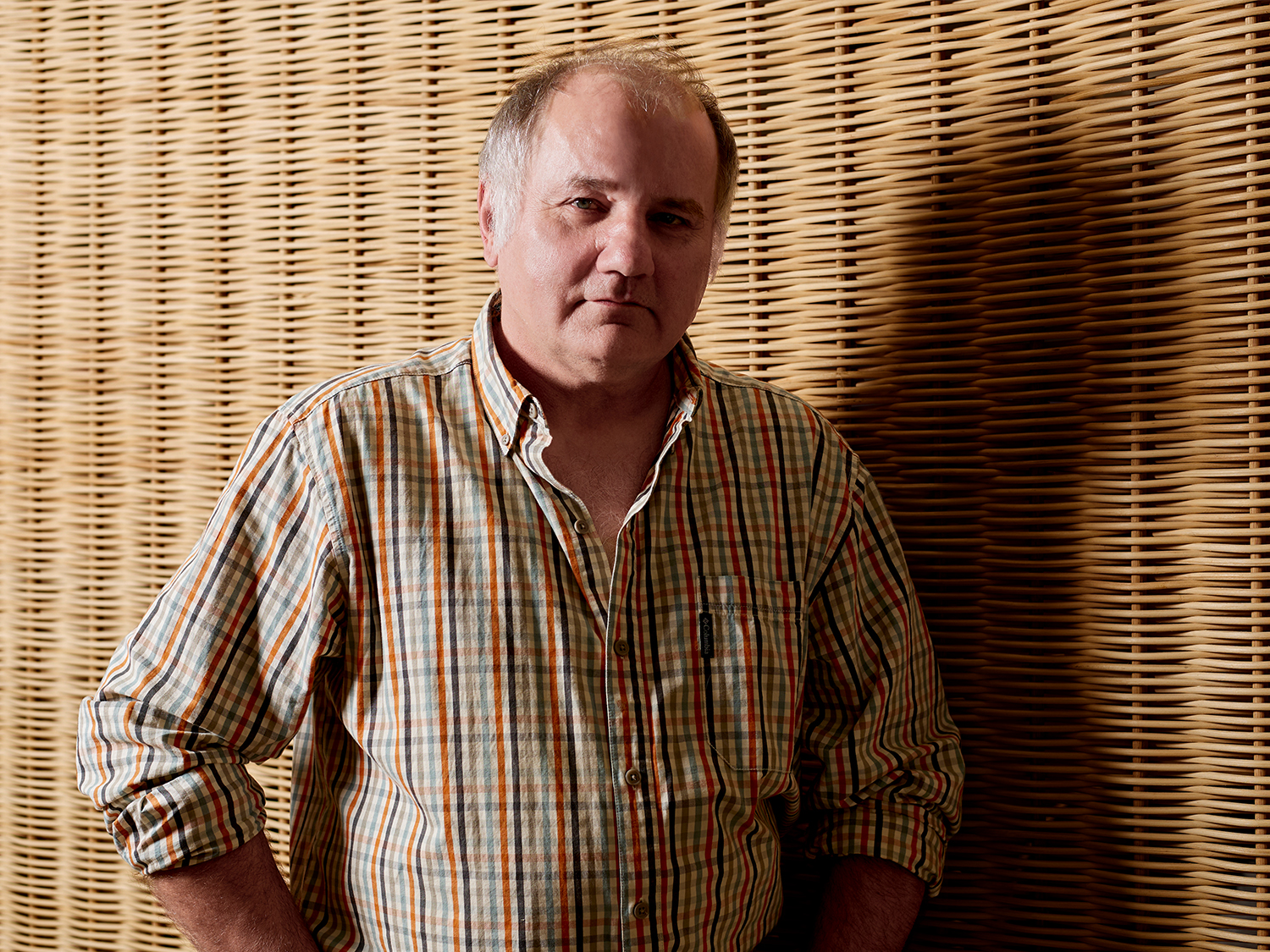
In this new series of conversations, we visit the ateliers of skilled artisans to learn more about interesting, rare trades and crafts. This issue, we visited Angelo Rusak, master weaver at Camberwell Cane, for a tour of the studio behind the well-known store. With his two samoyeds in tow, Angelo guides us past chairs, baskets, cane sofas, and screens, all woven by hand, to the back where several antique pieces are mid-restoration.
How did you learn the traditional techniques of weaving, frame construction, and restoration of cane and rattan furniture, and have these processes changed over time?
I was born in Kotoriba, Croatia, where the skill of weaving flourished after an artisan won a gold medal at the World’s Fair in 1900. I was taught weaving, frame construction, and restoration of wicker and rattan furniture by my grandfather and father who were both weavers. The process has not really changed through time, but some of the machines available have vastly improved in performance.
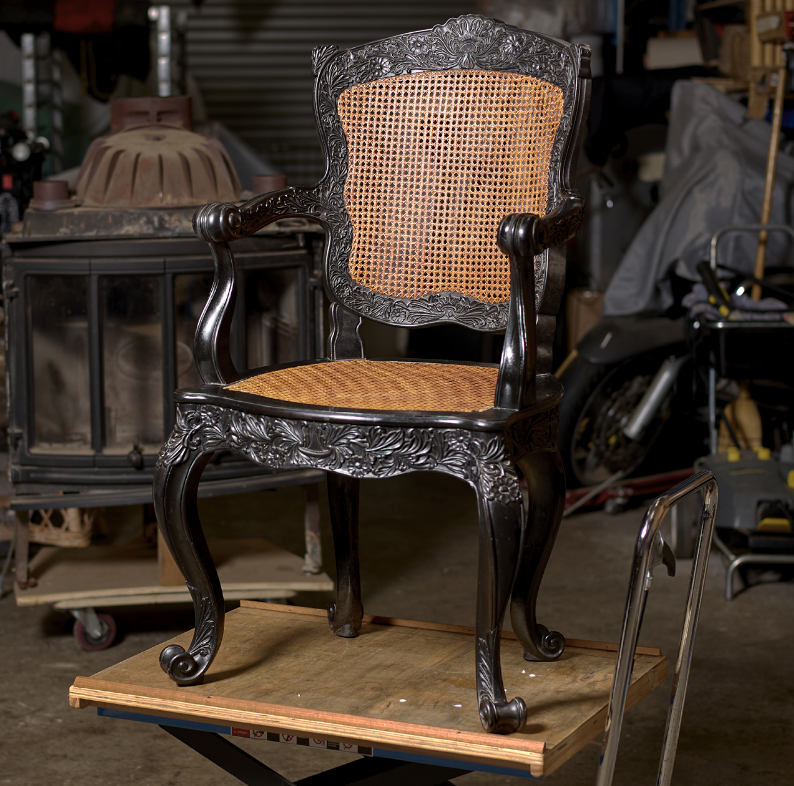
Can you give a short history of rattan and its application in furniture and interiors?
Rattan is a tropical vine of many different species and its use dates back to Egyptian times. It was favoured in seats and porch furniture during the Victorian era, with designers influenced by colonial trade and a fascination with nature. By the 1950s and ‘60s, rattan was popularised by soldiers returning from the war in the Pacific; they loved the lightweight look and its practicality. Now, we have seen a huge resurgence with interior designers specifying the mesh material in cabinetry inlays throughout homes.
There are many grades of rattan mesh available, what sets the premium materials apart?
Yes, there are seven different grades of rattan mesh, from raw C grade to Platinum A+++ grade. The material is sorted based on species of rattan, density, moisture content, and skin blemishes to name a few. It is the reason some rattans go brittle and others last generations. Some of the highest quality rattan will come from the Philippines, however the market is diverse and premium rattan can come from all parts of the world.
What does a typical day in your workshop look like?
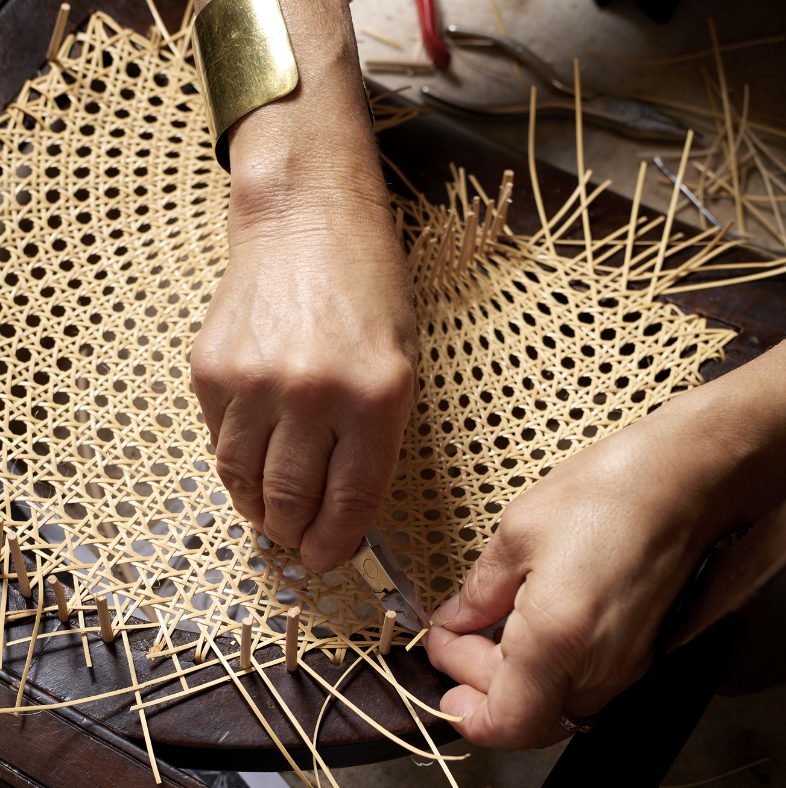
The day actually begins the day before, with the canes being soaked and prepared for the following day’s work. All days vary depending on the current job, which could be anything from a simple repair to weaving an entire wall.
What do you wish more people knew about your craft?
I would like people to know more about its history and the quality of what can be achieved, instead of filling their houses with glorified landfill, without the knowledge of how it’s made. Rattan is very versatile and I have always challenged the weaving form, pushing the boundaries of the medium. I have woven everything from hot air balloon baskets, motorcycle sidecars, and custom sofas to commercial and architectural weaves for the likes of John Wardle, some up to three storeys in height. We also specialise in all forms of restorations for antique chairs, from 320 years old to a Marcel Breuer Cesca seat.
What advice would you give to clients to ensure the longevity of their cane and rattan pieces?
Purchase quality pieces and take care of them. Keep rattan away from wet environments and direct sunlight. A dry side of the veranda is perfect for traditional seagrass.
With thanks to Angelo for his time. Learn more at camberwellcane.com.au and follow along on Instagram at @camberwellcane.com.au
Top Image: Angelo Rusak stands in front of a hand-woven panel
February 2026