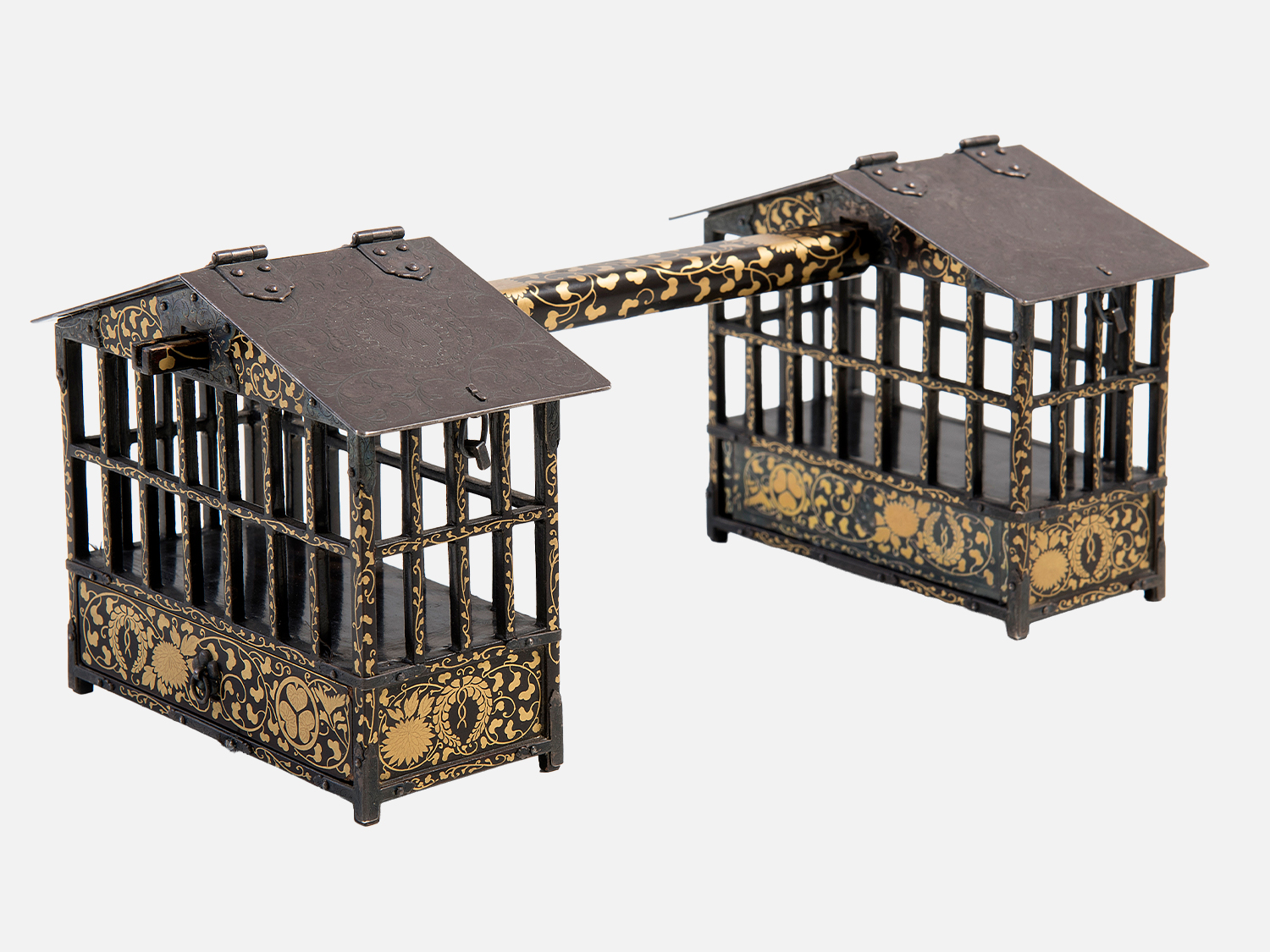
I’m on a plane. My favourite place to write. No distractions, a compact environment; the perfect antidote to a distracted mind. Cricket cages are on my mind, and not the sporting ones. Well, at least not the open-air sporting version requiring a bat and ball and a wide-open space. Here I’m talking about the tiny ones.
The first time I learnt what these tiny cages were for was during the end scene of The Last Emperor. The scene is as poignant as it is implausible. Puyi returns to the Forbidden City and discovers his cricket, still alive in his cricket cage. That was my first element of education on the subject. Rewind to the late 1970s and a couple more later trips with my father Kurt to Hollywood Road in Hong Kong and I do recall seeing all manner of miniature cages. At the time I probably assumed they were all for tiny birds. But the very little ones were no doubt souvenir-style versions of cricket cages.
Now, in 2026 I find myself following a bidding frenzy on a cricket cage from the Alsop collection that we recently handled from Perth. With a modest estimate of $800-$1,200, it soared to a final figure of $11,250 IBP. It piqued my interest. Not just because of the extraordinary price, that excited me as the momentary greedy auctioneer, but because of the very nature of the object and its purpose. Does it get more cerebral and intense and cultured than housing and maintaining an insect in a tiny vessel for music? I’ll leave the more gruesome side of this pastime for later. Was it the 2000-year-old answer to the bedside or portable radio? I thought the Sony Walkman was the first portable music device. Evidently not. I began researching these vessels online.
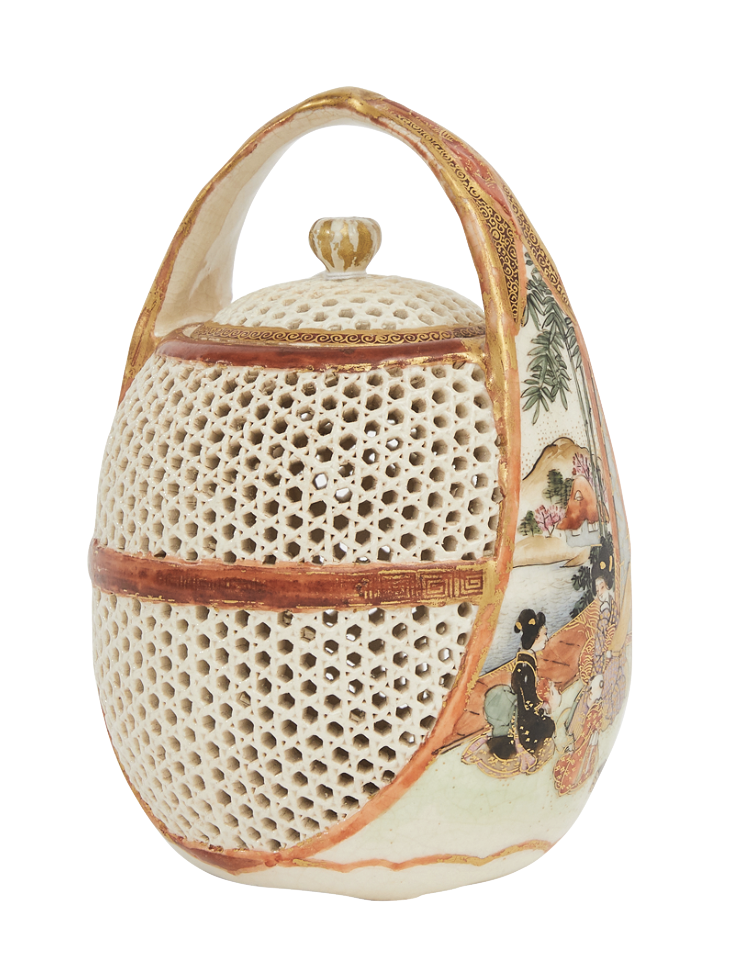
The three pieces of information that intrigued me most were these: firstly, that in its highest form, this pastime perfected the maintenance of a living cricket, for example with different materials for cages during the different seasons. The gourd example we just sold, likely moulded on the tree to create the perfect pear-shape, was considered the ideal material for the warmer months, while in winter, ceramic cages were favoured. Secondly, and perhaps not surprisingly, they became another focus of artisans with sponsors wealthy enough to commission examples as beautiful and intricate as they were practical. Both to form part of an interior and adorned when traveling one’s cricket was required. Finally, and most macabrely, the cages were also designed and enhanced to house and nurture cage fighting crickets. Yes, fighting crickets. An ancient insect sport that was banned during the Cultural Revolution but, grimly, has been revived since.
If one were looking for other examples, you could easily search up a lovely collection of some 40 plus within the online Metropolitan Museum of Art archive and start your immersion there. The Suzhou Museum in China is known to have at least one Qing-dynasty cricket cage in its collection, but I’m also sure that many more fine collections exist.
I will now finally admit that until exploring this subject, I was not even sure whether Leonard Joel had ever sold one before. I began the search online before I took off to Sydney and sure enough this beautiful Japanese porcelain example, illustrated here, was presented. This Chinese origin spread throughout many continents, and I will say I’m now intrigued by these tiny vessels with such a complex purpose, and I hope more examples find their way to Leonard Joel.
Would I ever keep a live cricket? Never. I respect nature enough to never contemplate such captivity, but would I like to acquire an example one day? Yes, indeed, and then I’ll explore whether I can miniaturise a speaker enough to fit inside one, and if that’s possible, I’ll then listen to cricket music from within that cage.
By John Albrecht, Managing Director & Head of Important Collections
Top Image: A Japanese lacquer mushikago (insect cage) Edo period, 18th century. Sold for $1,612
October 2026