Rufus Bird is an independent art advisor based in the UK with over 25 years of experience in the commercial and charitable sectors of the art world. After graduating in History of Art from Cambridge University he joined the Furniture Department at Christie’s in 1999 and later was appointed by HM Queen Elizabeth II as Surveyor of the Queen’s Works of Art, overseeing around 500,000 objects across 15 royal residences.
When I joined a major international auction house in 1997, my final round interview coincided with Sensation, the landmark exhibition that year at London’s Royal Academy of Arts of works from Charles Saatchi’s collection of ‘Young British Artists’ works by Tracey Emin, Jenny Savile, Mark Wallinger, Damien Hirst and others.
In the years which followed, especially after the turn of the millennium, sales of contemporary art grew and grew while comparatively, traditional art went into a slow decline. The centre of London’s art world, Bond Street was taken over by major international fashion brands and luxury jewellers. Long established art dealers – like Mallett, Agnew’s and Colnaghi’s – moved upstairs, relocated elsewhere, went online or closed down. Contemporary art galleries moved into prime property locations, occupied enormous spaces and entertained lavishly. Now, it seems that the tables may be about to turn, or at the very least the decades-long ‘bull run’ of contemporary art may have come to an end.
Today, many small and medium-sized contemporary art galleries are closing, auction sales of contemporary and modern art remain positive and successful, but prices are adjusted down and no longer do we see the runaway successes, year on year, which ran from the early 2000s until just a few years ago. What comes next is anyone’s guess of course. Change in the art world is gradual but tends to be long-lasting. In the post-war years – the pre-contemporary art boom years – the focus was firmly on Old Master pictures, which across all categories achieved the highest prices, many of which went to deep-pocketed US collectors or museums like the Getty. That historic, sometimes maximalist collecting and furnishing aesthetic was sidelined by a new one dominated by a clean, minimalist and often conceptual approach to art, collecting and interiors.
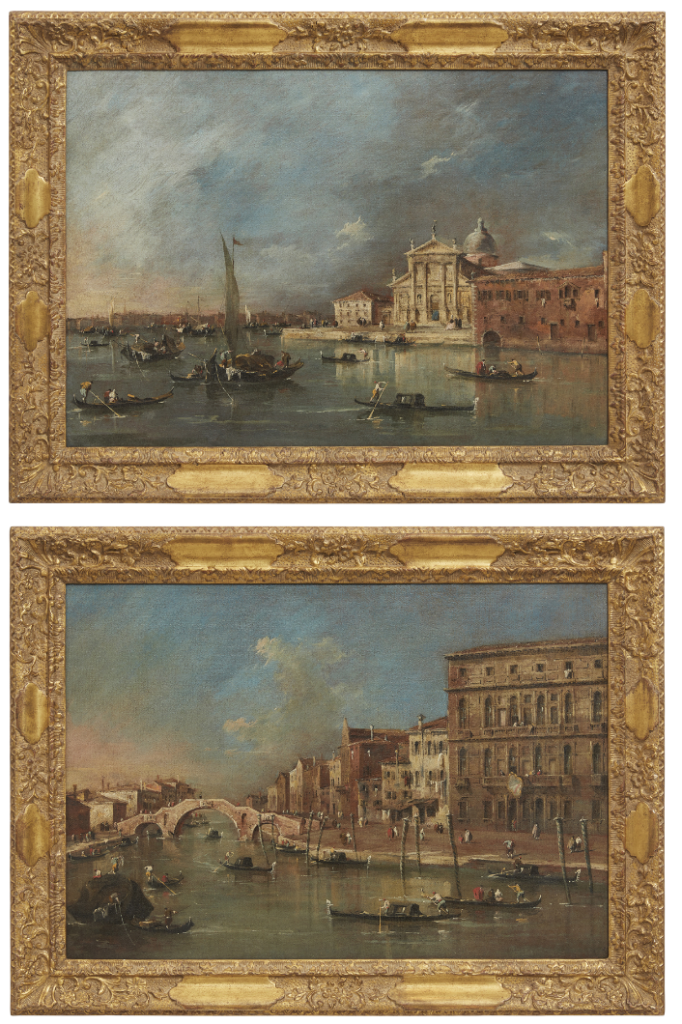
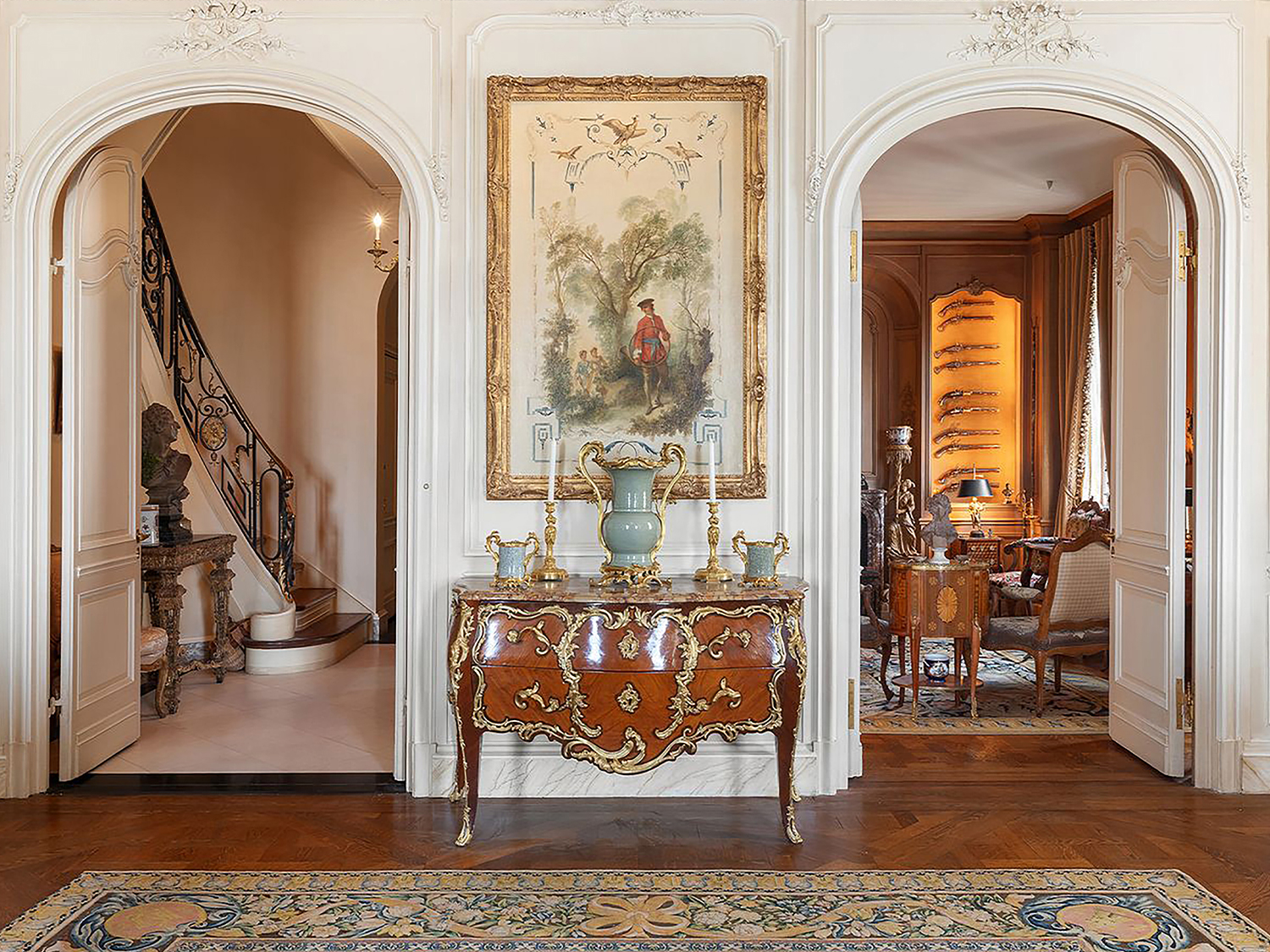
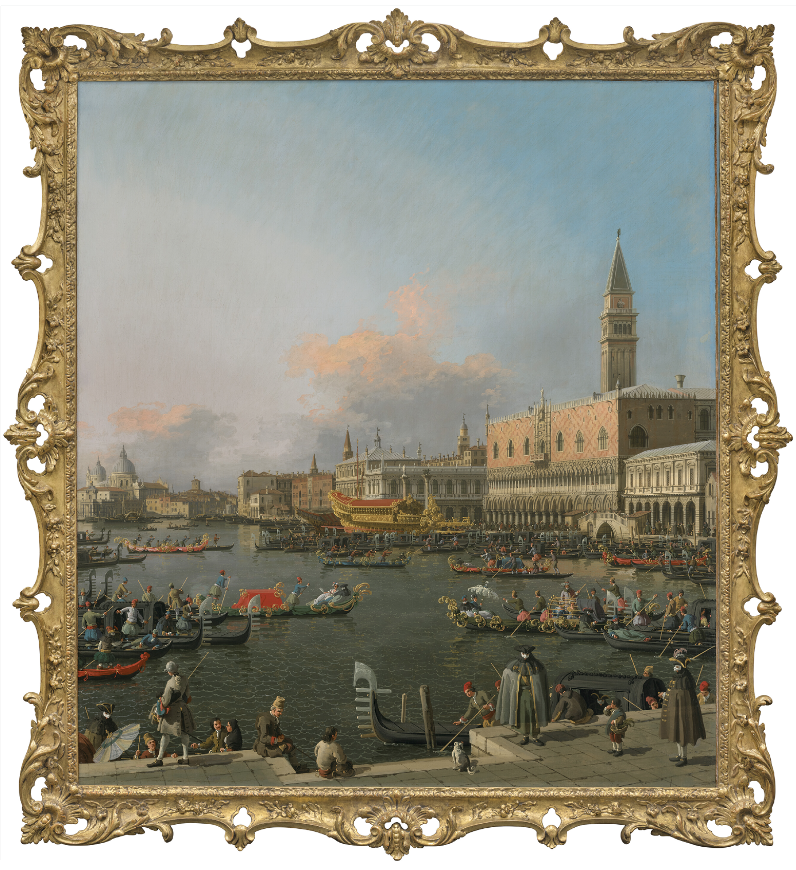
Recent art sale results may now be pointing in the other direction, back toward the historic, the traditional and classic. The major international sales in London in December and in New York in February demonstrated a strong demand for great historic works – a major auction house in New York has now sold two magnificent Venetian scenes by Canaletto for GBP£31.9m (last July in London) and US$30.5m (in February in New York). The US collector Thomas Kaplan recently sold a rare drawing of a young lion resting, by Rembrandt, for $17.8m at another auction house. Finally, a spectacular collection of almost 800 lots of English and French mostly 18th century pictures and decorative arts from the late Mrs Irene Roosevelt Aitken sold in February for a total of US$28.8m. Here in Australia, the sale of Old Master pictures collected by Robert Compton Jones shows that this shift in buying is indeed global: almost every lot sold within or above estimate, and the outstanding pair of Venetian scenes by Francesco Guardi, previously in Lord Rothermere’s collection, sold well above the high estimate for an astonishing AUS$1,062,500.
Some contemporary art can be difficult to interpret, many works challenge established notions of beauty, many are simply expensive and untested in the art market. I believe we are seeing collectors focusing increasingly on known ‘names’ with a solid track record of sales in the market, such as Monet, van Gogh, Cezanne, Kandinsky, Klimt, Canaletto, Rubens, Rembrandt, Reynolds, Gainsborough, Turner, Constable, Chippendale, Matthew Boulton, Stubbs, and Artemisia Gentileschi. Historic or classic art, has not only stood the test of time, the artist sits firmly within a known framework of aesthetic values, often has a body of published work and features in museums and collections worldwide, and examples (such as prints) can often be found priced attractively (but for how long?). Importantly, most works usually come with a track record of previous owners and sales (provenance), giving a tangible sense of monetary worth in the art market. Perhaps, at last, classic art is being valued once again.
By Rufus Bird, Guest Contributor
Top Image: Interior from the Aitken apartment, New York
March 2026