About five years ago, post-pandemic, I wrote an article for Leonard Magazine on the changing face of luxury stores. At this time, the demand for luxury goods was at an all-time high. Lockdowns and the scarcity of designer pieces did not dampen the market’s insatiable appetite for luxury and the instant prestige that it offered the purchaser. In fact, during this period, most, if not all luxury goods retailers posted record profits. In the lead up to this zenith was a master stroke by all the leading houses – to offer entry point items within their ranges to lure new and younger clients to their brands.
Pierre Cardin in the late 1960s was the trailblazer in the concept of offering designer luxury to the masses. True couture was fading, and younger eyes were focused on contemporary trends, in a similar way to the post WWI youth who ushered in the Jazz Age and its modernity. Cardin began offering ready to wear garments and accessories in the latest fashion trends, available freely to all in chain stores at affordable prices. He was also the first to franchise his brand. For this, he was initially criticised by the fashion world, only to have other houses such as Dior, YSL, and Lanvin, to name a few, quickly follow suit. This trend of licencing out lasted for a couple of decades, making large profits for the brands. The consequence however was that luxury houses lost control of their designs and the quality of the merchandise. The integrity of the brands needed to be taken back.
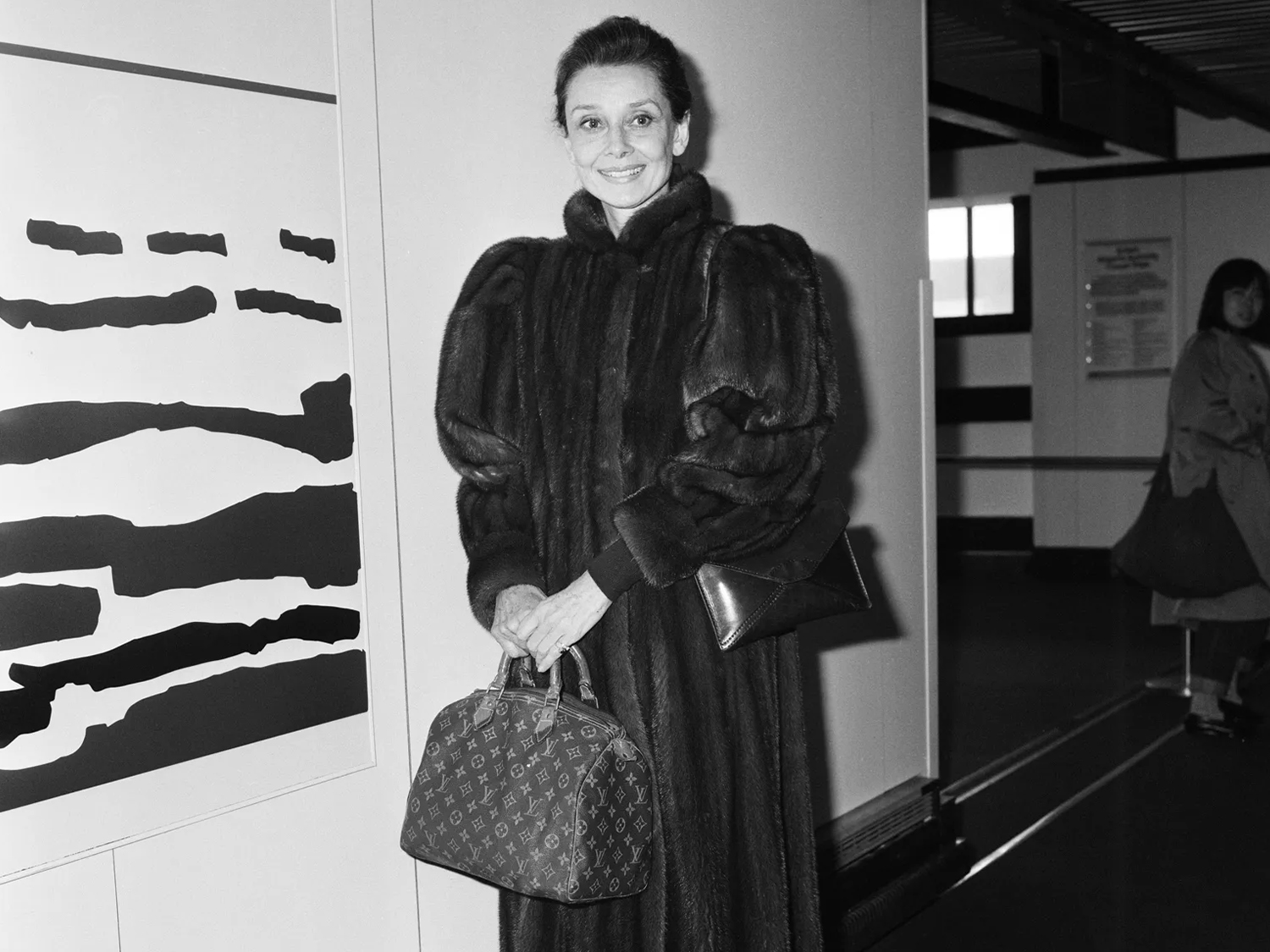
Let’s jump forward a couple of decades to the 1980s, when luxury houses started taking back control of their brands. The 70s and early 80s were difficult periods and many traditional houses were in decline. A new way of gaining fresh clients started to evolve. It was in the late 80s and early 90s that we started to see merchandise produced in-house and not by franchises, paving the way for a fresh outlook on luxury goods. In this period, we start to see a surge in designer accessories and affordable streetwear such as t-shirts, sneakers, belts, and caps with branded logos for instant recognition, literally allowing the wearer to ‘buy into the brand’. At the higher end of the luxury market, many iconic bags are introduced. The 1955 Chanel classic double flap was remastered in 1983 featuring a modern ‘CC’ lock, a restructure, and a leather-interwoven chain shoulder strap. Hermès created the Birkin bag for Jane Birkin in 1984 and at this time, Louis Vuitton made sure that the Speedy was the most sought-after bag in its range. Originally created in 1930 and endorsed by Audrey Hepburn in the late 50s, it’s still considered one of the most enduring handbags ever made.
Finally, luxury houses were back in control of their own products, bringing them to a new generation on their own terms. It was a stroke of genius which led the way for a designer revolution unparalleled in history. This in turn led the way to a rebirth of the independent designer store and mass products to be enjoyed by all. By the late 1990s and early 2000s, the taste for luxury goods was stronger than ever and their new clientele was being offered a wider array of merchandise than ever before. There seemed to be no end to the madness, however a change was in sight.
So, back to where we began. Whether by default or desire, after the pandemic, luxury brands changed their tack; there seems to now be an interest in alienating the mass market from the bricks and mortar stores. Brands are pushing shoppers onto online platforms or making them wait in queues for a chance to browse the old-fashioned way. Wealthier clients are identified and encouraged to skip the line and make an appointment with their sales associate, which really takes the spontaneity out of luxury shopping. I do get the about face. These are big enterprises with high overheads including retail staff, designers, craftsmen and women, huge inventories, logistics, marketing, and celebrity endorsements… the list goes on.
Perhaps the good old days of luxury for everyone have gone, despite the availability of product being at an all-time high? The secondary market offers a compelling alternative, often at lower prices than the actual stores and literally decades of quality branded designer pieces to choose from. You just have to know where to look.
By John D’Agata, Senior Luxury Consultant
Top Image: Audrey Hepburn at an airport carrying the Speedy handbag by Louis Vuitton / Alamy
June 2026