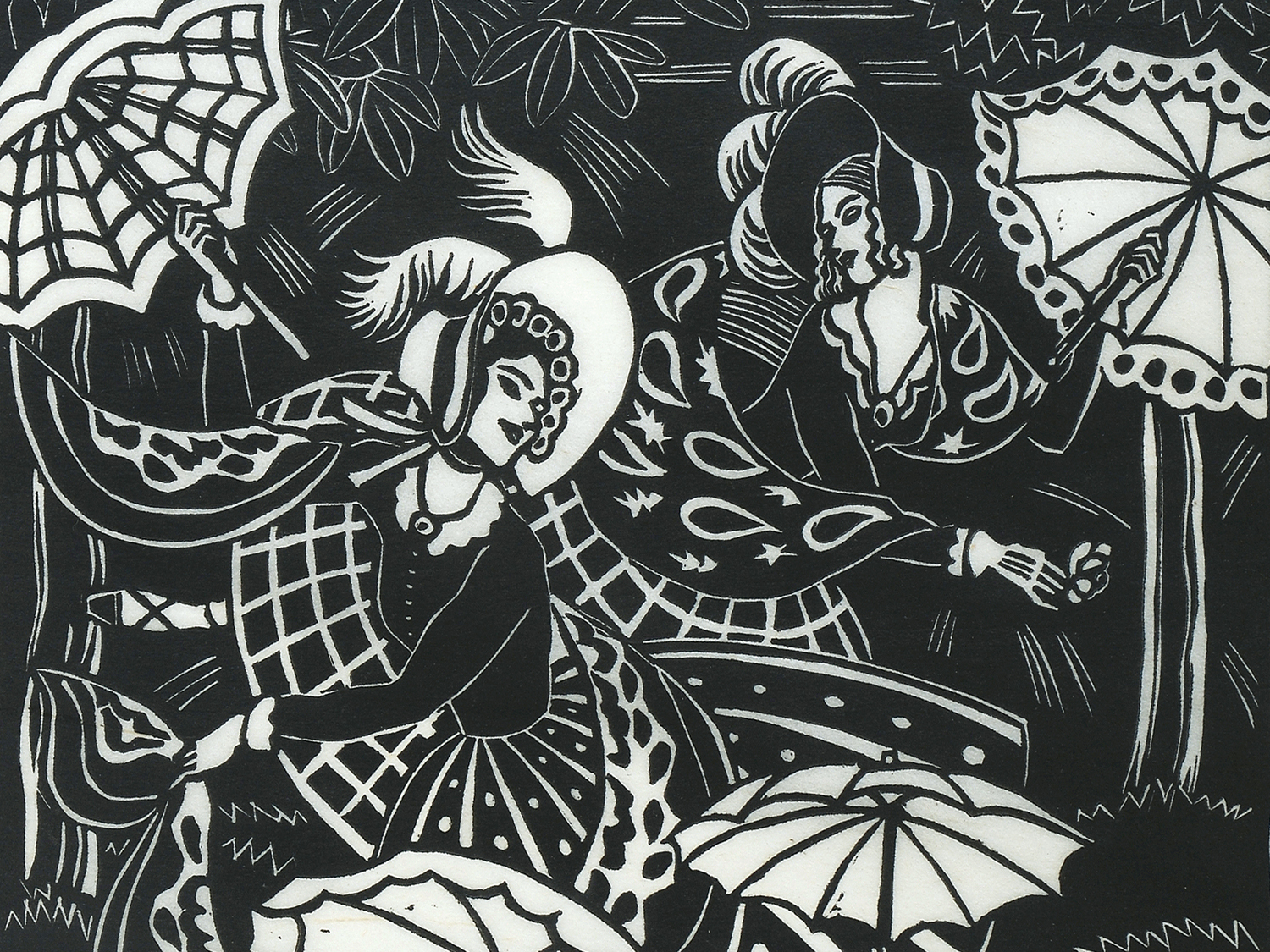
When Australian artist Thea Proctor returned to Sydney after nearly two decades in London, she was surprised to find her work described as “dangerously modern”. Intended as a warning, the phrase now sounds like a compliment. In Australia in the early 1920s, Proctor’s confident line, bold colour, and universal awareness marked her out as something new.
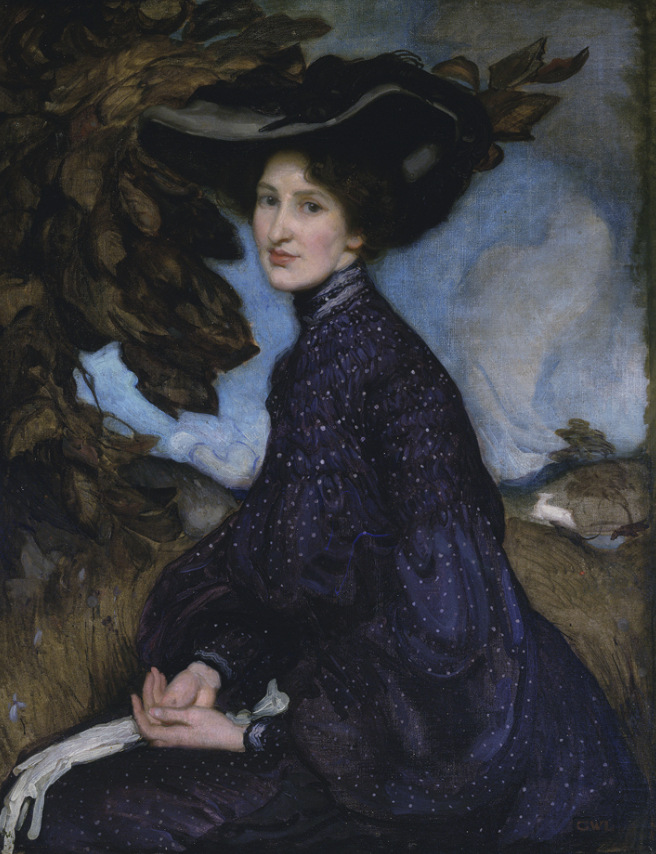
Born in Armidale, New South Wales, in 1879, Proctor left Australia in 1903, drawn to London by the possibility of a broader artistic life. She would remain there for 18 formative years, immersed in a city that was visually rich, culturally active, and open to new ideas. Proctor became part of the bohemian Chelsea arts scene, where fashion, theatre, design, and fine art were closely intertwined. Exhibiting widely, including at the Royal Academy, she absorbed a way of thinking in which art was not separate from daily life, but part of it.
That sense of integration became central to Proctor’s practice. When she returned to Sydney in 1921, she quickly emerged as a tastemaker and advocate for modern design, becoming a visible and influential presence in the city’s cultural circles. Admired not only for her work but also for her taste and discernment, Proctor maintained a wide-ranging practice that moved fluidly between painting, drawing, printmaking and design, never treating one as more serious or important than the other.
Despite this breadth, Proctor’s reputation today rests on a remarkably small body of prints. She is known to have produced only around 13 woodcuts, all produced during the 1920s and 1930s. Their rarity sets them apart, but it is the clarity of her vision that gives them lasting appeal. Encouraged by her close friend, Margaret Preston, who supplied her with timber blocks, Proctor began exploring the medium. The two artists shared an instinctive understanding of composition and held joint exhibitions in Sydney and Melbourne in 1925, a collaboration that helped shape the direction of Australian modernism.
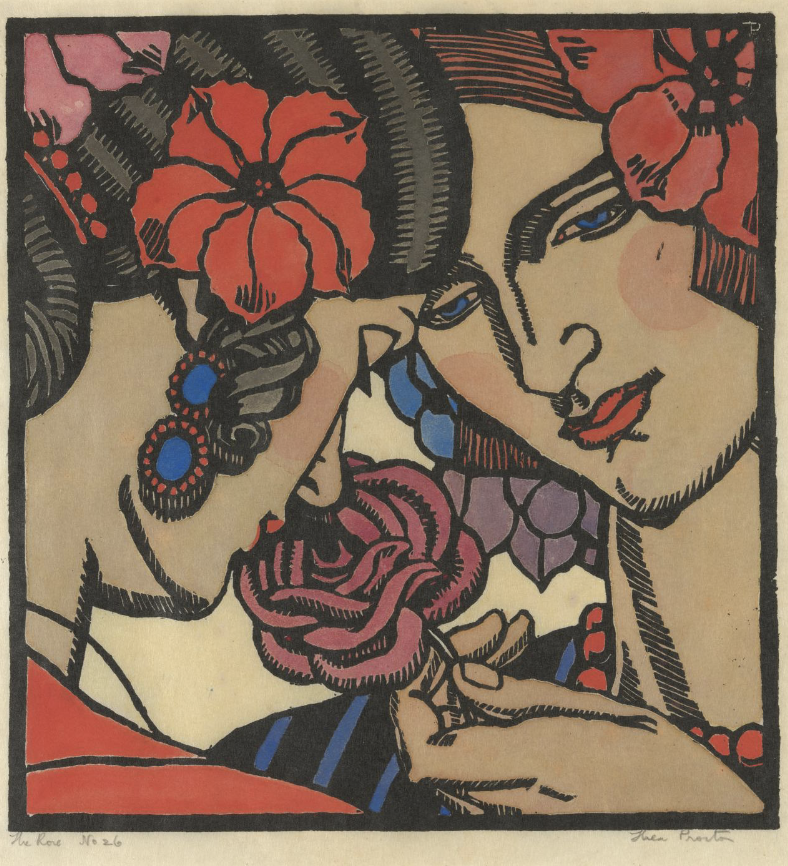
Gift of Andrée Fay Harkness through the Australian Government’s Cultural Gifts Program, 2020
© Art Gallery of New South Wales, Sydney. Image courtesy NGV, Melbourne
Among these prints, The Rose 1927 stands as one of Proctor’s most recognised works. Two women lean towards a single bloom, their faces drawn close in an intimate moment. The composition is tightly cropped and flattened, the colour direct and deliberate. While the rose gives the work its name, the real subject is intimacy, captured in a fleeting moment handled with confidence.
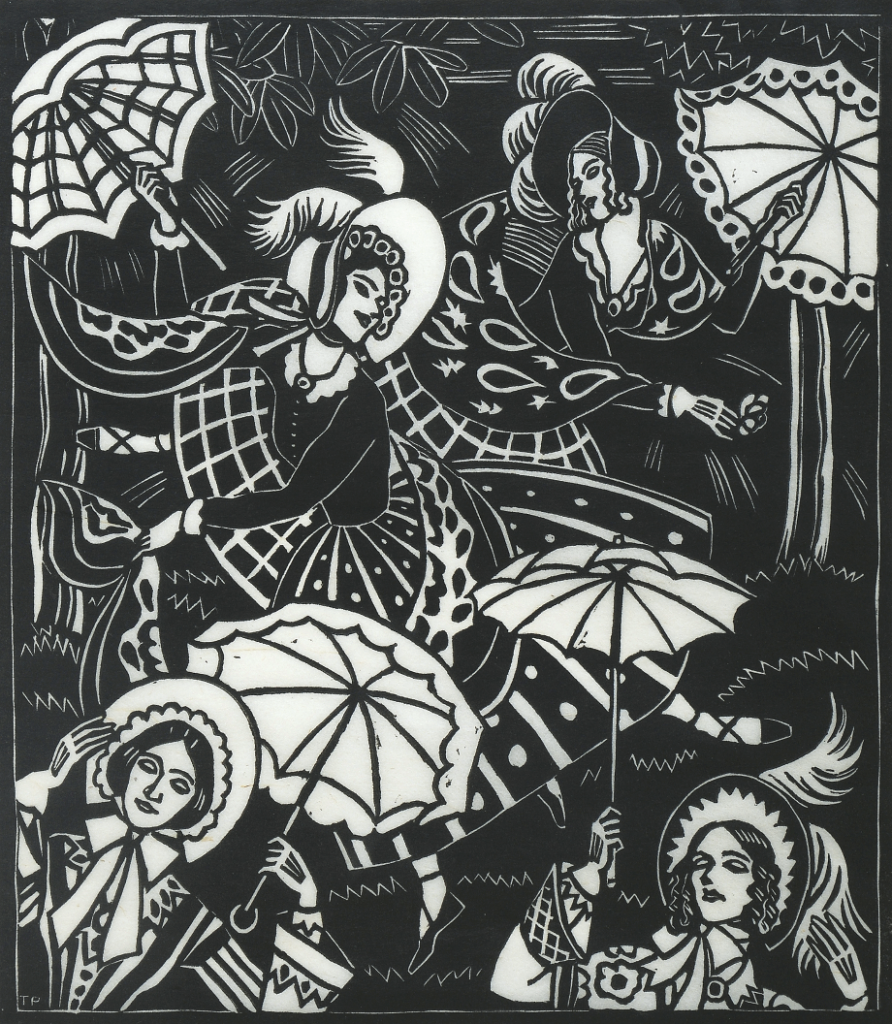
Elsewhere, works such as Bonnets, Shawls, Gay Parasols c.1928 reflect Proctor’s interest in costume and leisure. Drawing on an imagined Victorian world, the black ink composition relies on line and balance rather than colour. Her figures inhabit moments of elegance, realised through bold outlines and a carefully considered use of line.
By the 1930s, Proctor epitomised modern life in Sydney. She taught, exhibited, and mentored younger artists, and helped establish the Contemporary Group, shaping a generation of forward-thinking artists. Although she did not regard her woodcuts as central to her practice, their rarity and confidence have ensured their lasting influence. Elegant, assured and quietly modern, Proctor’s work still carries the charge that once made it feel dangerous.
By Hannah Ryan, Senior Art Specialist, Manager of Speciality Auctions
Top Image: Thea Proctor (1879-1966) Bonnets, Shawls, Gay Parasols c. 1928, Woodcut, 28 x 24.5cm (image). $3,000-4,000
February 2026