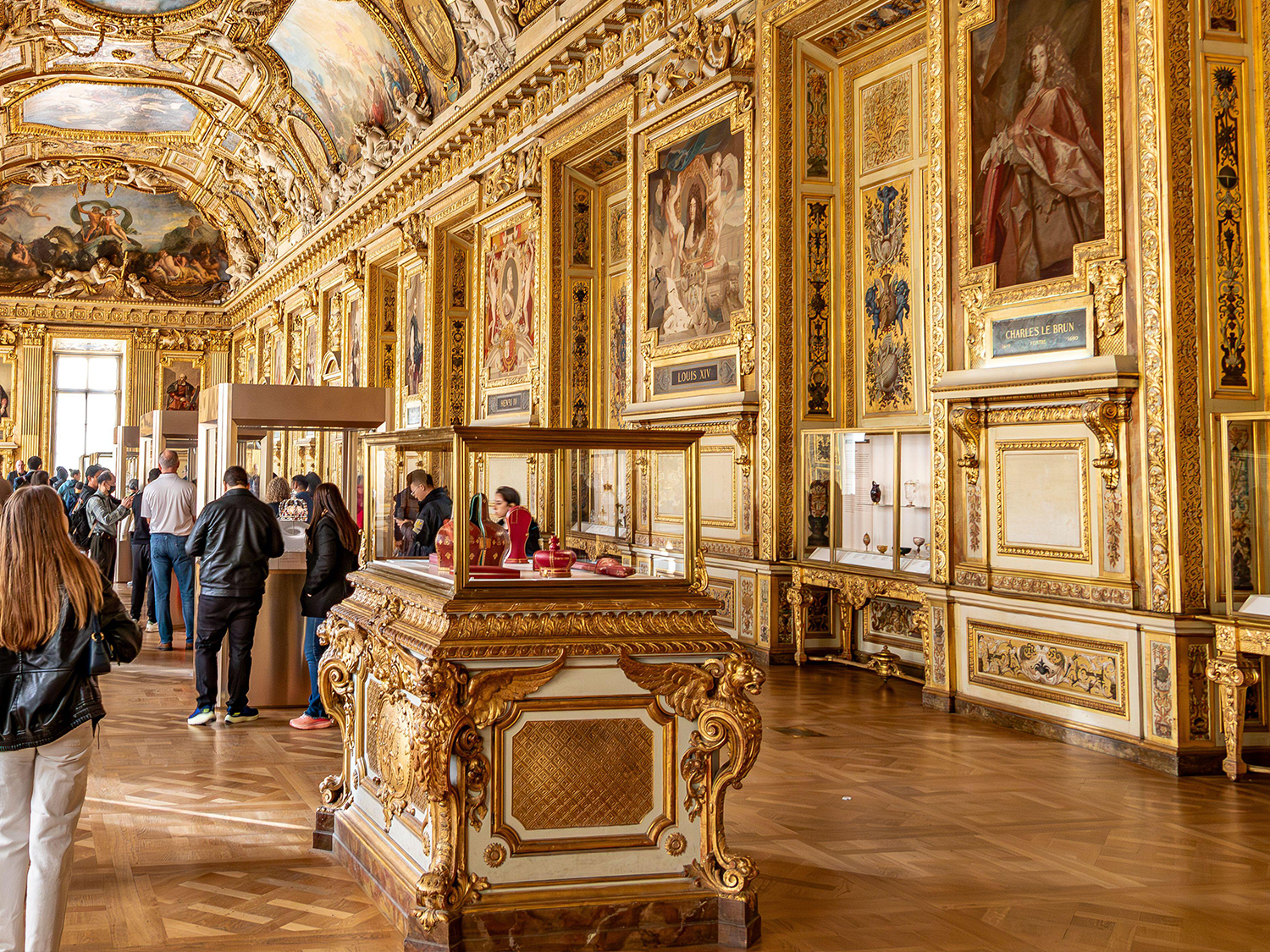
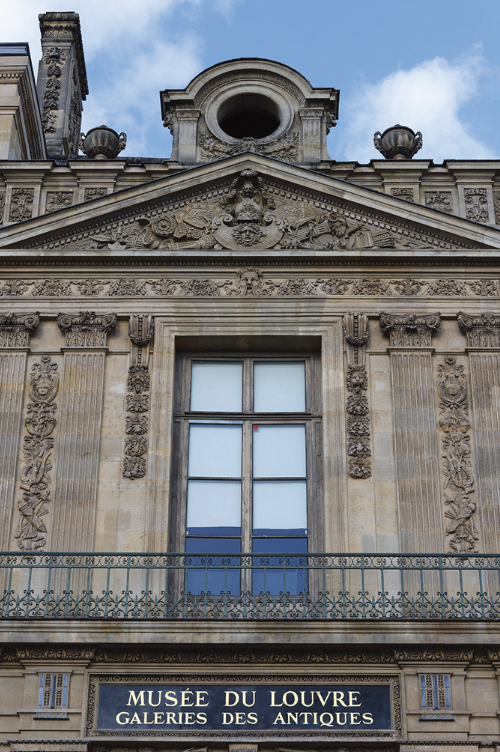
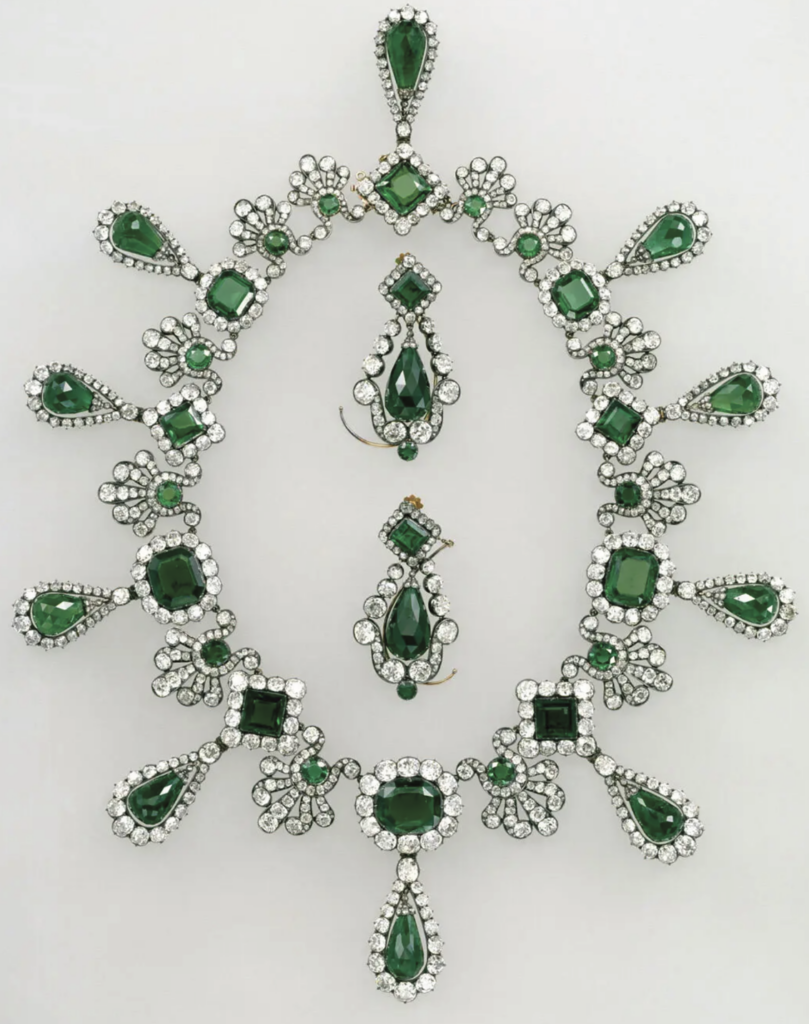
In October 2025, the world was horrified by news of a brazen daylight robbery at one of the most famous museums on earth, the Louvre in Paris. In a meticulously executed theft carried out in full view of visitors, criminals made off with important pieces of jewellery once belonging to members of the French royal family. The audacity of the crime within an institution synonymous with cultural preservation sent shockwaves through the international art and jewellery worlds.
While the events at the Louvre remain fresh in our collective memory, this extraordinary theft is far from an isolated incident. History is rich with equally daring and in some cases even more valuable jewellery heists, where priceless gems have vanished from vaults, museums, and private collections under seemingly impossible circumstances. These crimes continue to fascinate, a reminder that where exceptional jewels exist, so too does the allure of the perfect crime.

Dresden Green Vault
One of the most striking recent examples occurred on 25 November 2019, when thieves targeted the Green Vault in Dresden Castle, one of Europe’s oldest and most treasured royal collections. In the early hours before dawn, burglars exploited a power outage caused by a small fire to disable external alarms, cut through iron bars, and smash display cases, making off with historic 18th century royal jewellery. Among the stolen treasures were the 62-carat Dresden White Diamond, a diamond-laden breast star of the Polish Order of the White Eagle, and a diamond epaulette. The missing items originally estimated by some sources to be worth up to €1 billion were of immense cultural as well as material value to the State of Saxony, though official insured losses were placed around €113 million. German authorities later recovered many of the stolen objects, and several individuals linked to the crime were convicted, underscoring both the boldness and the high stakes involved.
Antwerp Diamond Heist
An earlier example of audacious planning took place in Antwerp, Belgium, on the weekend of 15–16 February 2003, in what has often been called the “heist of the century.” The gang, led by Italian criminal Leonardo Notarbartolo, spent over two years meticulously plotting the robbery of the Antwerp Diamond Centre. They bypassed an extraordinary array of security systems including infrared heat detectors, doppler radar, and magnetic field alarms to access a vault two floors below the building. Once inside, the thieves used a custom-made, hand-cranked device to open more than 100 safe deposit boxes, each secured with both a unique key lock and a three-letter combination lock. They made off with loose diamonds, gold, silver, and other jewellery valued at over $100 million, most of which has never been recovered. Notarbartolo and several accomplices were eventually arrested, with Notarbartolo sentenced to 10 years imprisonment for the crime.
Graff Diamonds, London
Equally dramatic, though executed on a smaller scale, was the 2009 Graff Diamonds robbery in London. On 6 August, two men posing as customers walked into the prestigious boutique on New Bond Street and escaped with a haul valued at nearly £40 million. The robbers threatened staff at gunpoint and made off with 43 items, including rings, bracelets, necklaces, and watches, one of which was worth more than £3.5 million. In preparation for the heist, they employed a professional make-up artist to alter their appearances with latex prosthetics and wigs, allowing them to enter the store without concealing their faces from CCTV. Despite arrests and convictions, none of the stolen jewellery has been recovered, cementing the heist in Britain’s criminal lore.
From Dresden to Antwerp to London, and now Paris, these remarkable crimes share a common thread: the irresistible allure of jewellery, where history, wealth, and craftsmanship converge, becoming a siren call for those willing to take extreme risks. Each heist not only showcases the audacity of the thieves but also the enduring fascination of the public with the drama, risk, and notoriety of stealing some of the world’s most precious treasures.
By Lauren Boustridge, Head of Fine Jewels & Timepieces, Sydney
Top Image: Galerie d’Apollon inside the Musée du Louvre, Paris, where the French crown jewels were stolen in October 2025 / Alamy
February 2026