Exotic skins sit at the intersection of beauty, power, and restraint in luxury. They are tactile, symbolic, technically unforgiving, and culturally loaded, holding both the allure of the natural world and the reality of human intervention. Crocodile, alligator, python, stingray, lizard, and even more mainstream eel have appeared in fashion for decades, but what separates a true house piece from a generic exotic is never the animal itself, it is the execution. The hide is only the beginning.
Historically, these materials entered fashion through function rather than fantasy. Crocodile and alligator were prized in travel goods and footwear for their durability and resistance to wear. As luxury leatherwork evolved, rare skins became markers of technical ability – the capacity to tame irregularity, to cut with restraint, to align scale and grain, and to finish without erasing the hide’s natural character. This is why two pieces can both be described as crocodile and yet exist in entirely different universes. One is material. The other is mastery.
Over time, luxury houses developed distinct philosophies around exotic skins, shaped as much by identity as by technique. For some, exotics became a measure of absolute control and hierarchy. For others, a means of expressing the body, reinforcing mythology, or amplifying attitude. These materials have never carried a single meaning in luxury. Instead, they act as a lens through which each house reveals what it values most.
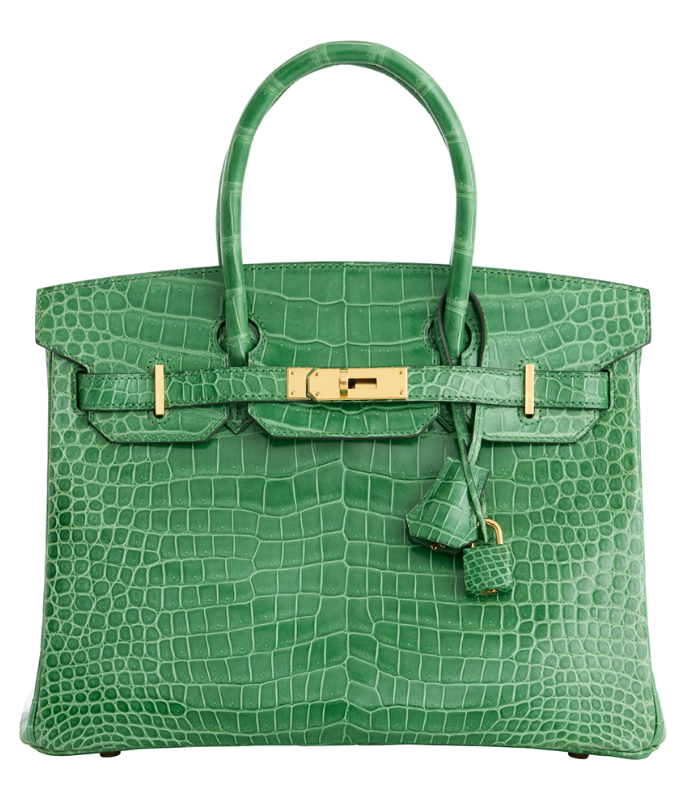
No house embodies hierarchy and mastery more rigorously than Hermès. Within its ecosystem, exotic leathers operate on a clearly defined ladder of rarity, difficulty, and status. Selection and grading are obsessive. Tanning and dyeing are calibrated to the point where colour itself becomes a test of craftsmanship rather than a styling choice. In crocodile, the challenge lies in achieving scale symmetry across panels and maintaining perfect stitch tension through a material that resists the needle at every pass. A saturated green crocodile Birkin reads instantly as a statement because the colour must sit evenly across every scale, with no patchiness and no visual disruption.
Hermès’ approach to crocodile is particularly instructive because it extends beyond craft into regulation and stewardship. Crocodilians used by the house are farmed under strict regulation and fall under CITES, the Convention on International Trade in Endangered Species. Farms are audited and traceable, and in regulated ranching programs a portion of hatchlings is released back into the wild to support population sustainability. This balance between conservation and craftsmanship defines the contemporary framework within which exotic materials are now produced.
At the apex of this system sits the Himalaya Birkin. Hermès does not publish prices for its most exceptional exotic pieces, nor does it disclose production volumes. Within the collector market, the Himalayan Birkin with diamond hardware is widely speculated to be produced at an extraordinarily limited scale, often cited as just two pieces per year. Values are commonly estimated at approximately AUD $500,000 per bag, driven not only by material rarity but by the near impossibility of flawless execution. The appeal lies as much in technical difficulty as in scarcity.
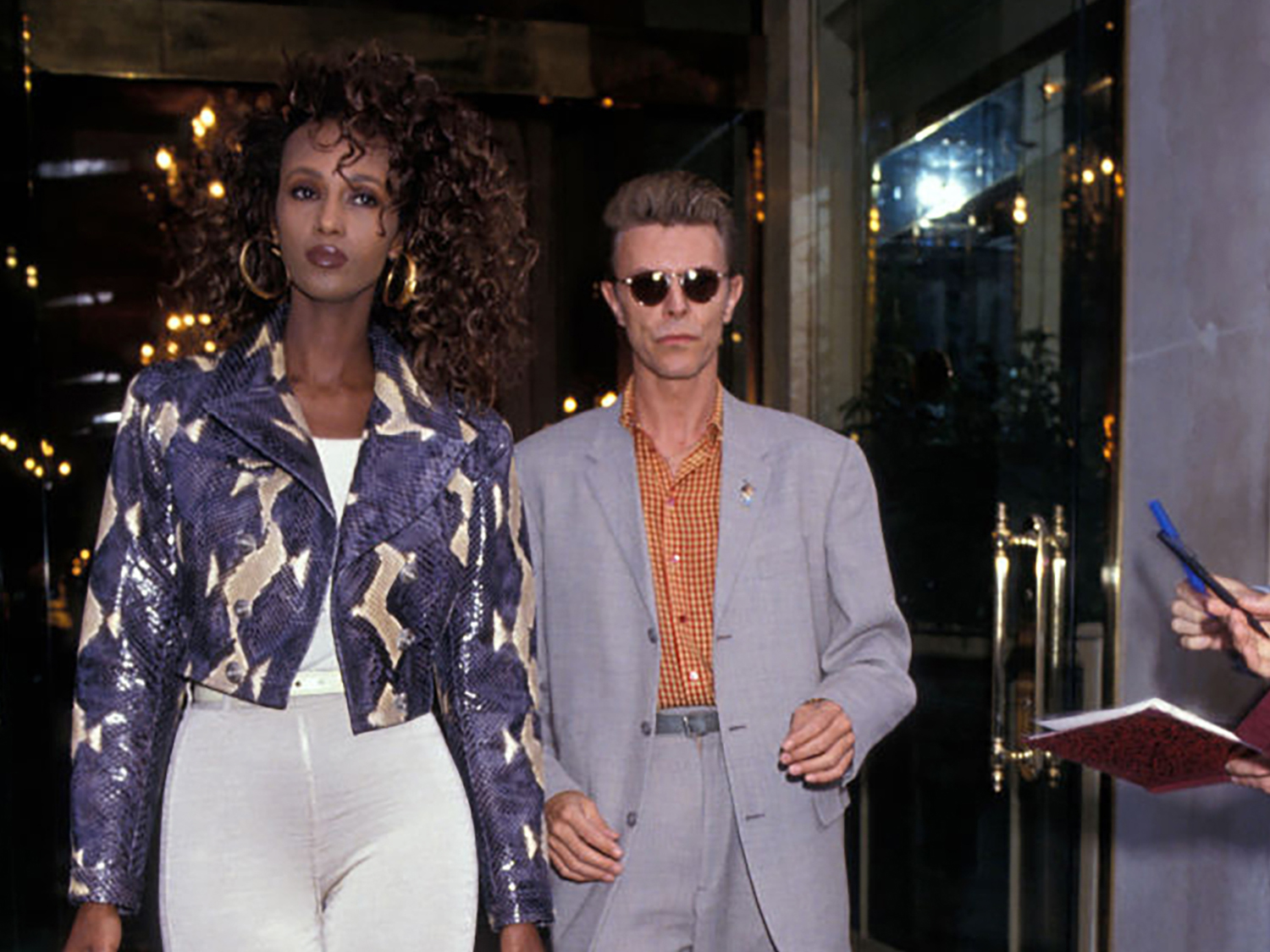
Where Hermès represents hierarchy and restraint, Alaïa approaches exotic skin through form, body, and structure. In python, the material becomes a second skin, less about surface display and more about the body itself. Alaïa transforms python into an architectural piece, cutting it into a cropped, sharply tailored jacket layered over a bra-like bustier and a high-waisted mini skirt. Treated in matte, camouflage-like finishes, the scales read as texture rather than spectacle. Seaming is deliberate and exact. These are museum-worthy works where technique becomes the narrative.
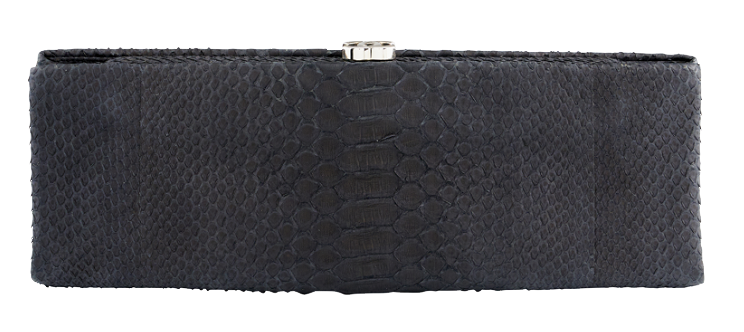
Chanel occupies a quieter, more historically specific position within the exotic conversation. In December 2018, the house announced it would stop using exotic skins in future collections. That decision reframed earlier python and crocodile pieces as a closed chapter. A matte python clutch from circa 2007 to 2009, produced during Karl Lagerfeld’s tenure, now carries a rarity that is structural rather than trend driven. These pieces function as artefacts of a moment that can no longer be recreated.
Under Tom Ford, Gucci embraced exotic skins as an expression of desire, excess, and deliberate provocation. In the late 1990s and early 2000s, the house moved away from restraint and into spectacle, where exotic leathers became tools of seduction rather than markers of quiet mastery. Crocodile, python, and fantasy skins were exaggerated, polished, and often paired with overtly sensual silhouettes. The dragon bag associated with the 2004 runway era encapsulates this philosophy. It is theatrical, unapologetic, and indulgent, less concerned with longevity than with impact. In this context, exotic skin becomes part of a larger narrative of power dressing and visual excess, capturing a moment when fashion was unafraid to be overt.
In the hands of the great houses, exotic skins cease to be provocative materials and become tests of discipline. They demand restraint, technical mastery, and an understanding of when to intervene and when to step back.
At its highest level, wild luxury becomes appreciation: of the beast, and of the rare craftsmanship capable of transforming it without diminishing its power.
By Julia Gueller, luxury Specialist
Top Image: Iman and David Bowie in Paris, 1991. Iman wears a python skin biker jacket by Azzedine Alaïa / Getty Images
February 2026